
Review Tales
Trusted Reviews and Author Features Since 2016
The Gates of Polished Horn by Mark A. Rayner (Book Review #2055)
In The Gates of Polished Horn, the mundane and the mythic coalesce into a lyrical meditation on memory, marriage, and the fragile nature of identity. Through the lens of Liz and Oscar’s quietly fraying relationship, the novel invites readers to inhabit an interior world shaped by love’s idealism and the slow, subtle erosion of dreams deferred.
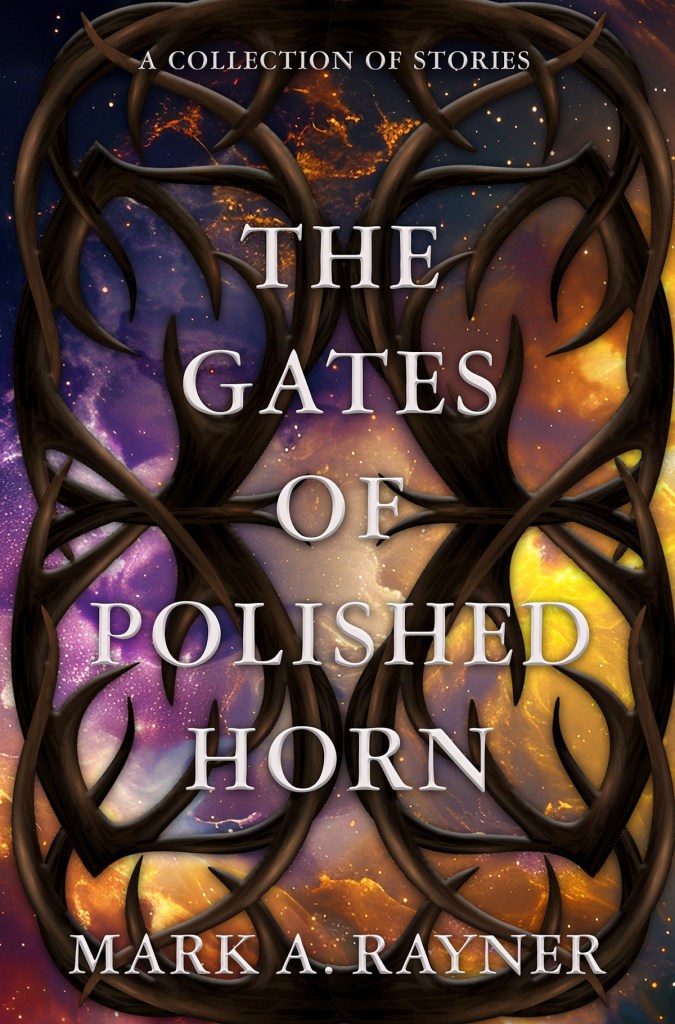
The narrative begins with an intimate domestic exchange—Oscar retelling, once again, the story of nearly dying the night he was born. It’s a moment that feels both familiar and loaded, a signal of repetition, of stories worn thin with overuse. Liz’s exasperation is gentle but telling; their relationship is steeped in a rhythm that suggests deep connection but also emotional exhaustion. This isn’t the bombastic unraveling of a marriage; it’s a slow dissolution, weighed down by unmet expectations and quiet regrets.
The writing is evocative and richly textured. Scenes slip between past and present, often blurring the boundaries of time and perception. Liz reflects on their golden wedding under maple leaves, a honeymoon she barely remembers, and a love that once felt all-encompassing. The details are poignant and precise—sunlight filtering through trees, the mingling scents of salt and jet fuel—yet their emotional resonance is muted, reflecting Liz’s inner state. This isn’t a novel driven by action, but by mood, memory, and the spaces in between.
Oscar, dreamy and idealistic, seems content floating through temporary librarian jobs and an unfinished novel. Liz, more pragmatic, feels the weight of her own ambitions, shaped by her MBA and a high-powered job in IT. There’s a palpable dissonance between their trajectories—one grounded in realism, the other in reverie. Their old apartment near the university, where they “played house and fell in love,” is remembered with more warmth than their current life in the Beaches, gifted by Liz’s disapproving, wealthy grandfather.
This tension between fantasy and reality, past and present, is at the novel’s core. The writing deftly explores how stories—both the ones we inherit and the ones we tell ourselves—can both anchor and entrap us. Liz’s world is one of expectations: from her family, from society, from herself. Oscar’s is one of possibility, untethered but undefined.
What emerges is a deeply moving portrait of a couple navigating the liminal spaces between who they were, who they are, and who they hoped to be. It’s an elegy for youthful idealism, a quiet reckoning with the compromises that come with adulthood, and a meditation on the elusiveness of happiness.
The Gates of Polished Horn is not a story of grand gestures or dramatic conclusions. It is, instead, a beautifully rendered, emotionally intelligent novel that trusts readers to sit with nuance and ambiguity. For those who appreciate introspective literary fiction, it offers a deeply human story—one that lingers long after the final page.
Written Jeyran Main
Discover more from Review Tales
Subscribe to get the latest posts sent to your email.


 Review Tales