
Review Tales
Trusted Reviews and Author Features Since 2016
The Last Exodus by Paul Tassi (Book Review #2327)
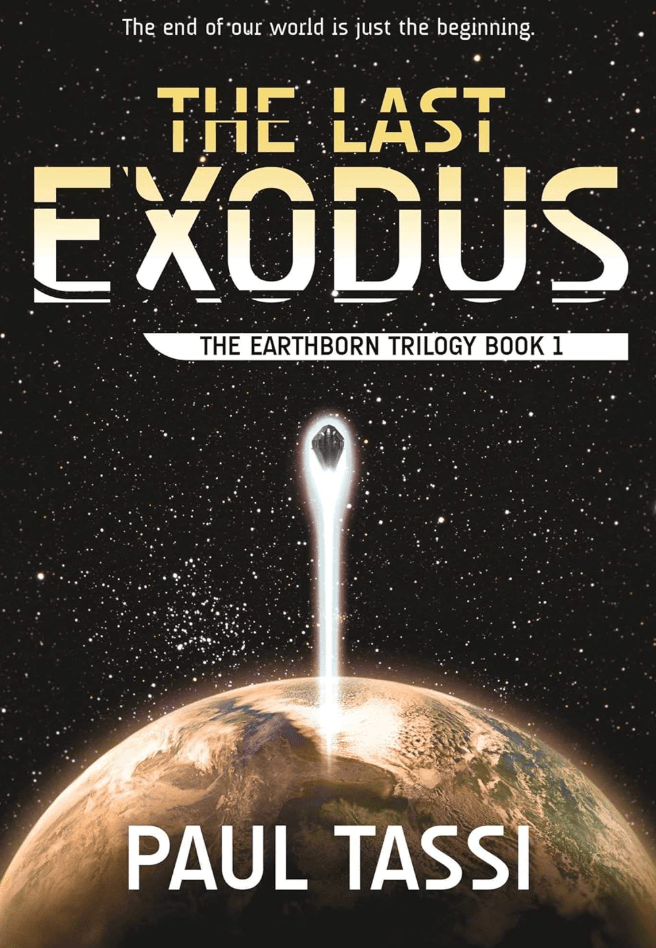
The End of the Exodus is a harrowing descent into decay, memory, and survival, marking Voltogar (Mirco Simoni) as a formidable voice in dystopian science fiction. Set entirely within the Terach—a colossal, rusting space structure that has long outlived its purpose—the novel traps the reader in a suffocating labyrinth where technology fails, society fragments, and humanity forgets what freedom ever meant.
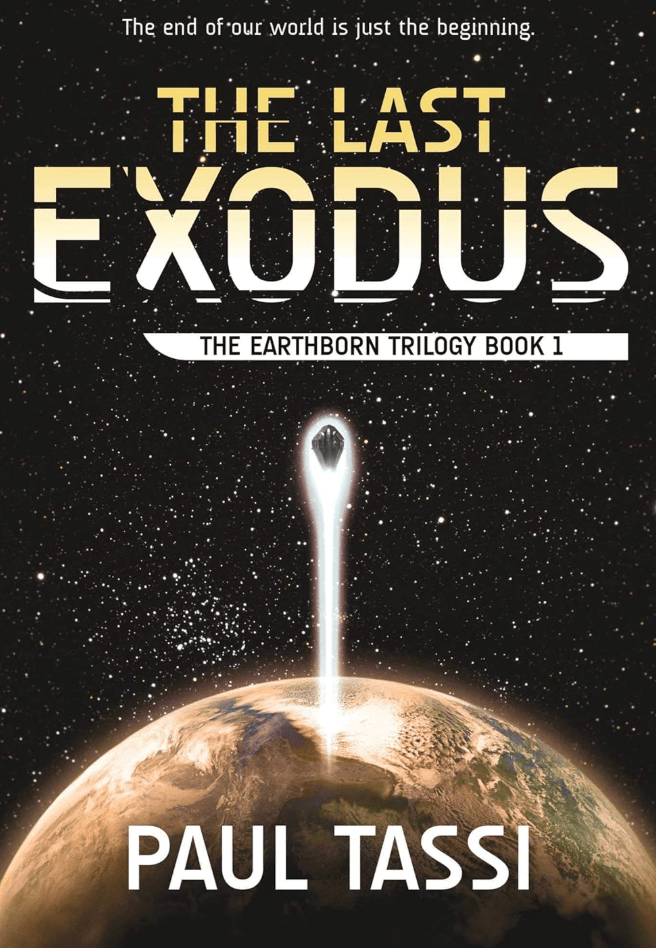
From its opening pages, the book is relentlessly atmospheric. The Terach is not merely a setting but a living organism: groaning metal, flickering LEDs, and darkness thick enough to feel sentient. Within this prison, the nameless protagonist exists in a state of near-animal survival, mutilated, starving, and haunted by the ominous symbol of the Crooked Moon. His transformation into Bone is both brutal and inevitable, a response to a world that no longer allows innocence or passivity.
Enjoying this article?
Stay connected with the Review Tales literary community and receive new articles, magazine releases, and exclusive updates.
No spam. Only literary content.
Voltogar’s greatest strength lies in his psychological intensity. Bone’s internal struggle—between memory and instinct, trauma and adaptation—mirrors the decay of the station itself. Survival here is not heroic; it is feral, desperate, and morally ambiguous. Encounters with predators, corrupted hierarchies, and the wreckage of a failed civilization reinforce the novel’s bleak assertion that power, when left unchecked, rots everything it touches.
What elevates The End of the Exodus beyond standard dystopian fare is its symbolic depth. The reimagining of Old Testament themes, particularly the Exodus narrative, adds a mythic resonance to the story. The Crooked Moon’s evolution—from a mark of terror to a distorted promise of liberation—anchors the novel’s exploration of faith, destiny, and rebirth in a godless, mechanical world.
Dense, visceral, and unflinching, The End of the Exodus is not an easy read—but it is a deeply rewarding one. It will resonate strongly with readers drawn to dark space opera, existential sci-fi, and stories that dare to stare unblinking into humanity’s most primal instincts.
Written by Jeyran Main
Enjoying this article?
Stay connected with the Review Tales literary community and receive new articles, magazine releases, and exclusive updates.
No spam. Only literary content.

Discover more from Review Tales
Subscribe to get the latest posts sent to your email.


 Review Tales