
Review Tales
Trusted Reviews and Author Features Since 2016
Scrap: Salvaging a Family by Luanne Castle (Book Review #2301)
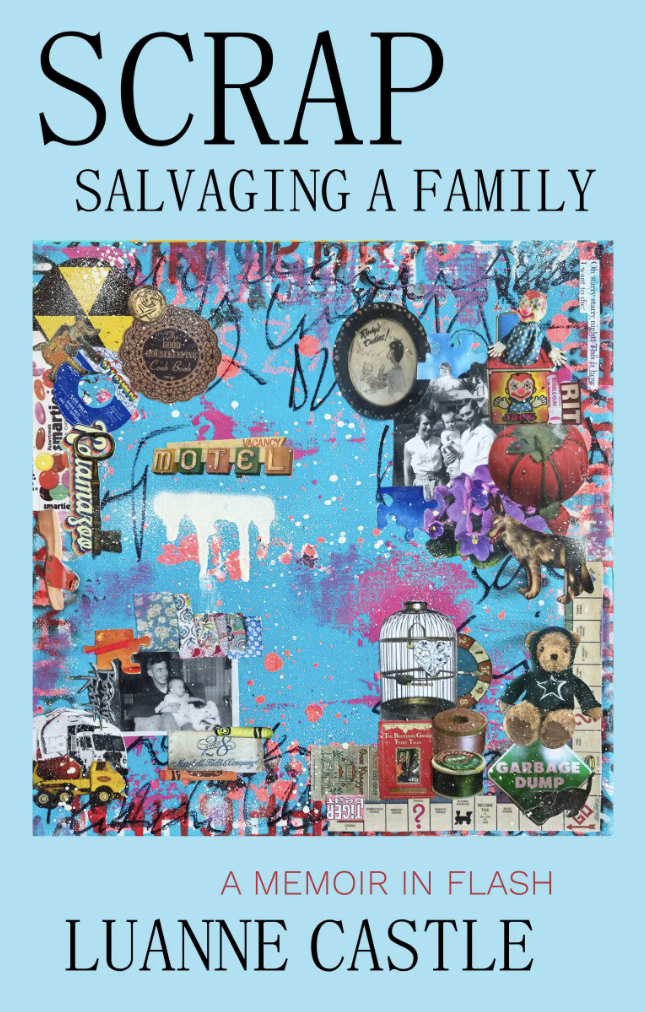
In Scrap: Salvaging a Family, Luanne Castle delivers a deeply intimate and formally inventive hybrid flash memoir that examines the long shadow of childhood fear and the fragile, complicated path toward forgiveness.
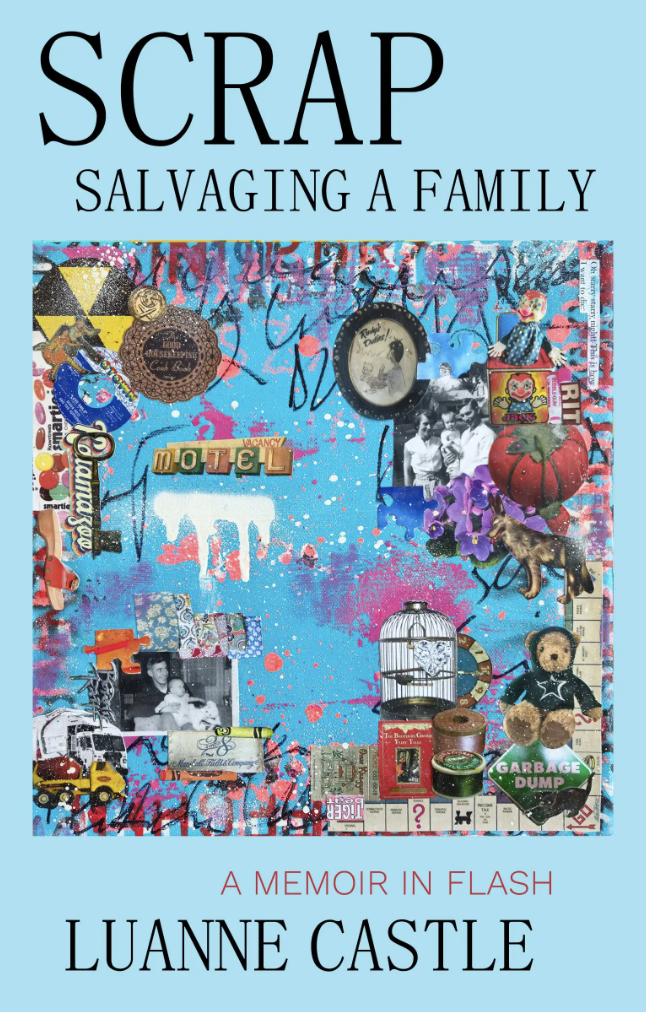
Structured in brief, lyrical flashes, the narrative mirrors the fragmented nature of memory itself. Castle pieces together moments—like scraps salvaged from a lifetime—to explore what it means to grow up under the weight of an angry and abusive father. The emotional atmosphere of the book is tense yet restrained; rather than sensationalizing pain, Castle allows it to surface quietly through reflection, image, and revelation.
Enjoying this article?
Stay connected with the Review Tales literary community and receive new articles, magazine releases, and exclusive updates.
No spam. Only literary content.
At the heart of the memoir lies a long-kept secret: the father’s concealed biological origins. When mortality forces truth into the open, the daughter’s understanding begins to shift. What unfolds is not an excuse for past harm, but a widening lens—an exploration of generational trauma, inherited silence, and the burdens parents carry long before their children are born.
One of the memoir’s greatest strengths is its refusal to simplify reconciliation. Forgiveness here is not sentimental. It is gradual, complicated, and earned through insight. As the daughter learns about her father’s early life and hidden history, empathy emerges—not as weakness, but as strength. The book becomes a meditation on how knowledge reshapes memory and how understanding can soften even deeply embedded wounds.
Castle’s prose is spare yet evocative. The flash form intensifies the emotional resonance, allowing each vignette to stand alone while contributing to a cohesive emotional arc. Readers who appreciate memoirs that experiment with structure while remaining grounded in emotional truth will find Scrap especially compelling.
This is a courageous, contemplative work about family, secrecy, and the possibility of grace at the end of life. It reminds us that while we cannot rewrite the past, we can reinterpret it—and sometimes that is enough to heal.
Written by Jeyran Main
Enjoying this article?
Stay connected with the Review Tales literary community and receive new articles, magazine releases, and exclusive updates.
No spam. Only literary content.

Discover more from Review Tales
Subscribe to get the latest posts sent to your email.


 Review Tales