
Review Tales
Trusted Reviews and Author Features Since 2016
The Eye of Winter – More than a Hero’s Journey by Jaques Smit
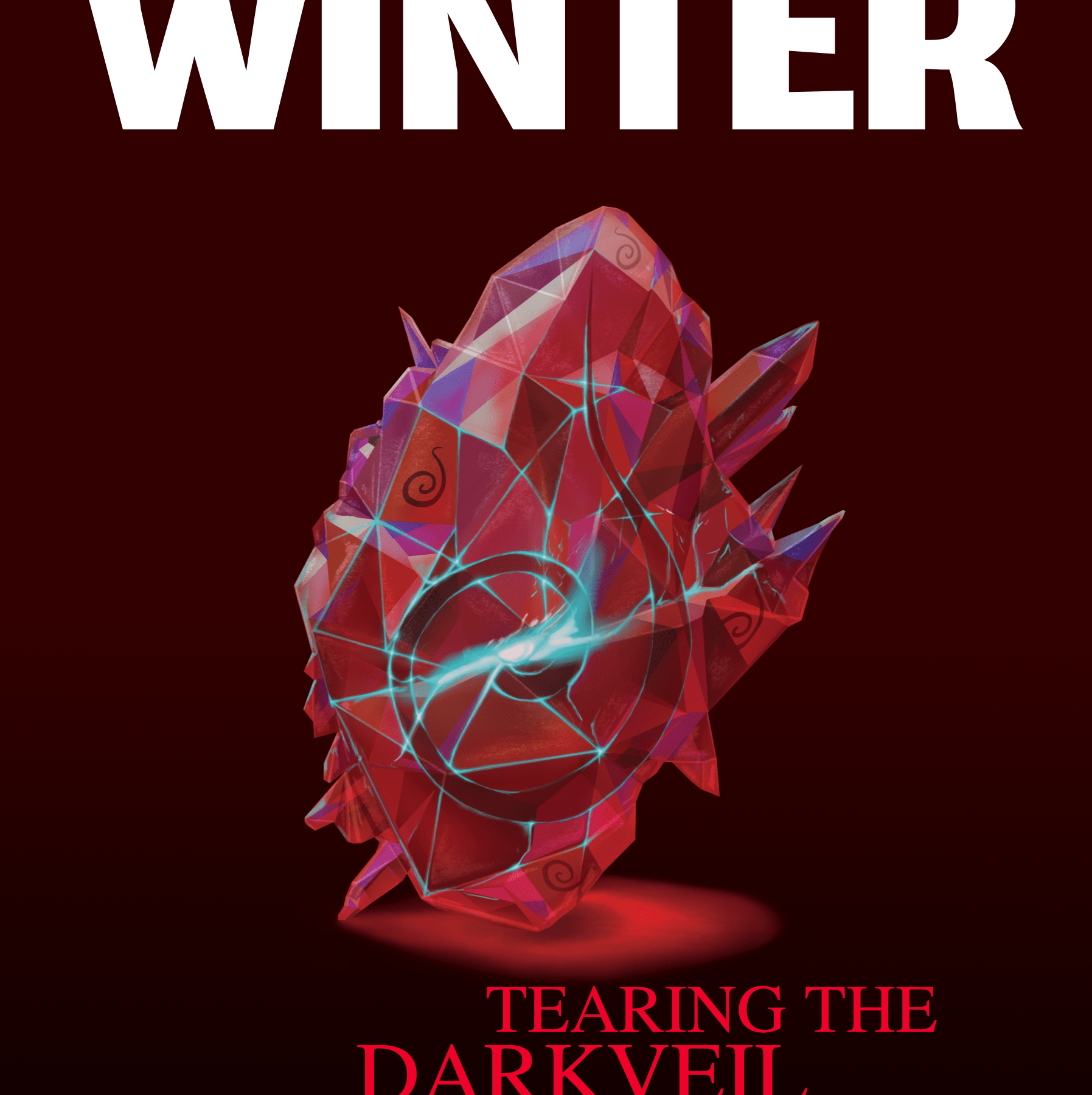
In 2009, I was going through a tough time in my life. I felt trapped and isolated. Then a friend gave me The Magician by Raymond E. Feist. I vanished into its pages and blasted through the Riftwar Saga. Soon I learned Feist based these books on his D&D character, and suddenly, I was reminded of my passion for writing. As a teen, I wrote poetry and loved storytelling, especially in games. More often than not, I was the Dungeon Master among my friends.
Read MoreI Didn’t Mean To, But… by Iva Dimitrova (Book Review #1944)
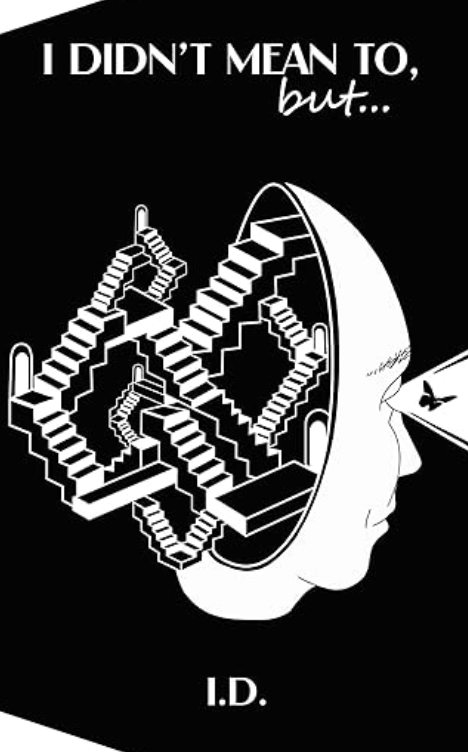
I Didn’t Mean To, But…by Iva Dimitrova is a riveting psychological thriller that masterfully explores the fragile nature of decision-making and the often unpredictable consequences of even the smallest choices. This novel delves deep into the psyche of its characters, revealing how moral dilemmas and past secrets shape their fates in profound and often tragic ways.
Read MoreThe Journey Behind “Unknown Soldier: World War 1” by David L. Preston

The seed for my debut novel, “Unknown Soldier: World War 1,” was planted during a visit to Arlington National Cemetery when I was just a child. Standing before the Tomb of the Unknown Soldier, I was struck by a profound question: What were the lives of these men like before they became unknowns? This question lingered in my mind, sparking a lifelong curiosity about the stories of the soldiers who rest there in anonymity.
Read MoreBeware the Bonding by Robb White

Of all the genres I’ve published in, I enjoy hardboiled crime/noir the most. It used to be axiomatic that a writer had the sole right to choose his or her subject. To say there’s nothing sacred involved might be a stretch, but the boundaries of fiction aren’t easily constrained by any era’s ideology or predominant tastes. That principle had never troubled me as either a reader or writer until recently.

This week, I received similar responses to submissions in close proximity from two different publishers of short fiction. Both stories would fall under the rubric of hardboiled crime, or at the very least, a generic label such as “dark fiction.” One story was accepted; one was rejected. But the reasons were remarkably similar. The publisher of Story #1 rejected because he found my male protagonist, a thoroughly corrupt politician, despicable, a man who reveled in his misdeeds, which included solicitation to commit murder and embezzlement: “It’s like a lengthy harangue against a fictitious person who does only bad and enjoys it and succeeds.” True (I won’t quibble with the term harangue here).
Story #2 garnered a longer response with the editor/publisher tentatively accepting it pending revision. This editor found my female protagonist impossible to bond with, her actions against the antagonists (a family of cretins trying to ruin her) in excess of their own misdeeds, particularly the paterfamilias, whose “horrendous end” was “unjustified.” Besides my lead character not being “very likeable,” she resisted a reader’s willingness to “buy into her” on the basis of her actions. “Readers,” the editor explained in her critique, “don’t want to root for a murderer.”
I’ve heard it all before, and it comes down to the need to bond with the protagonist. I aver a difference that matters whether victims (fictional, of course) need to be deserving of their ends before readers will stand behind the murderer. It isn’t about rooting for the murderer; it’s about verisimilitude in a putrid, evil landscape (call it aberrant psychology, if that helps). As lawyers say, crimes committed in hell don’t have angels for witnesses. Neither should dark fiction.
Author Bio:
Robert White lives in Northeastern Ohio. He has published many crime, horror, and mainstream stories in various magazines and anthologies. He’s been nominated for a Derringer for his crime fiction. Most of his novels feature private investigators Thomas Haftmann or Raimo Jarvi. Jarvi’s third outing in the Northtown trilogy is Northtown Angelus (Grand Mal, 2024). Betray Me Not, a collection of revenge tales, was selected for distinction by the Independent Fiction Alliance in 2022. Find him at: https://tomhaftmann.wixsite.com/robbtwhite
Sun Tzu’s Café by Eric Bornstein (Book Review #1865)

“Sun Tzu’s Café” by Eric Bornstein is a thrilling contemporary novel that delves into a chilling plot involving the exploitation of America’s brightest minds under the guise of an upscale café chain. In a world where marijuana is legalized, the story ingeniously intertwines the legacies of ancient Chinese military strategies with the sinister modern-day espionage tactics of the Chinese Communist Party (CCP). The novel cleverly uses synthetic hallucinogens and THC compounds as tools for espionage, echoing the infamous CIA Project MKULTRA experiments from the Cold War.
Read MoreThis is how we heal from painful childhoods by Ernest Ellender, PhD (Book Review #1864)

Ernest Ellender, PhD, brings his extensive experience as a trauma therapist and Jiu-jitsu black belt instructor to the forefront in his transformative book, “This is How We Heal from Painful Childhoods.” The book serves as a comprehensive guide for individuals looking to overcome the residual effects of childhood adversity and establish a thriving adult life.
Read More
Off Season by Clive Fleury (Book Review #1862)

“Off Season” by Clive Fleury is a gripping crime thriller that transports readers from the bustling streets of Sydney to the deceptive tranquillity of Barton, a small Australian beach town. Central to the story is Detective Ramesh Ryan, who, after a high-profile courtroom defeat against a notorious Sydney drug lord, finds his promising career in shambles. His reassignment to Barton marks a significant shift from the intense organized crime scene to what initially appears to be a sleepy town enjoying its off-season.
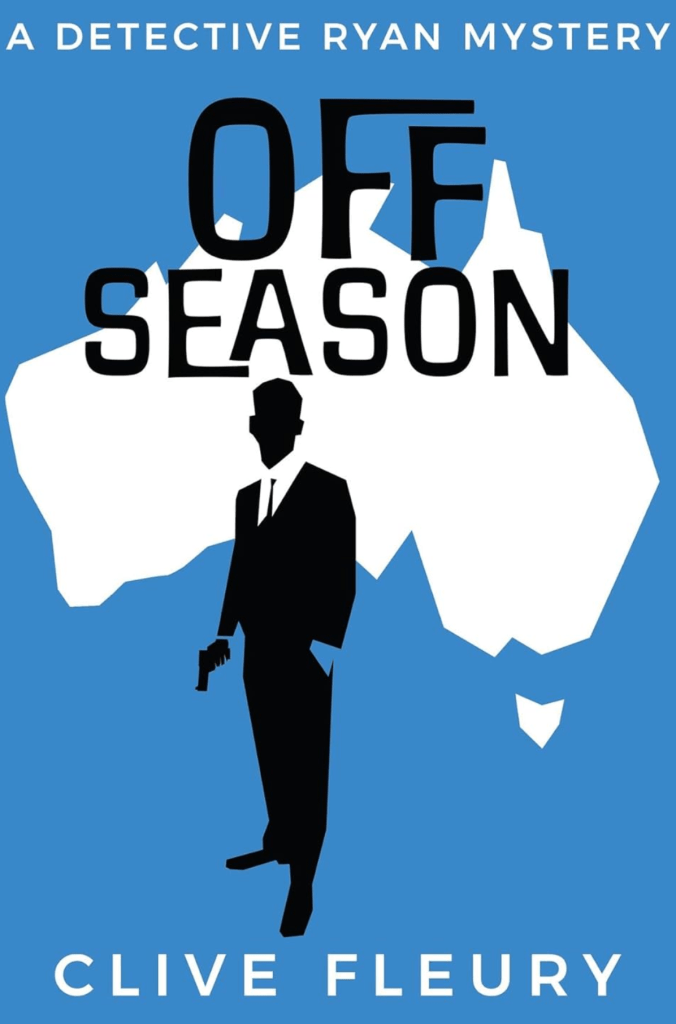
However, Barton’s facade of calm is quickly shattered. The town, under its quiet surface, seethes with hidden crimes and long-buried secrets, all of which begin to surface shortly after Ryan’s arrival. The discovery of two drug overdose victims and a mysterious foot washed ashore rekindles the unresolved mystery of a teenager who vanished fifteen years prior. These events turn the off season into a high-stakes period of danger and intrigue for Ryan.
Fleury masterfully crafts a narrative full of unexpected twists and turns, where the lines between truth and lies blur, keeping readers on their toes. The story’s pace accelerates with each chapter, fueled by action-packed scenes and a series of life-threatening challenges that Ryan must navigate. His character is well-drawn: a determined detective whose professional downfall becomes a catalyst for uncovering dark truths in an unlikely setting.
Adding depth to the thriller are the elements of romance and personal danger that Fleury intertwines with the main plot. Ryan’s budding relationship amidst escalating threats against his life adds a personal stake to the unfolding drama, enriching the reader’s investment in his character and fate.
“Off Season” excels not only as a crime novel but also as an exploration of how a place’s serene exterior can mask a turbulent undercurrent. Fleury’s vivid storytelling, coupled with keen attention to the dynamics of small-town secrecy and crime, makes this book a compelling read for anyone who enjoys thrillers with richly textured settings and complex, evolving mysteries.
Click here to feature your book in the Review Tales Magazine.
Stone Feather Fang by A.G. Rodriguez (Book Review #1861)
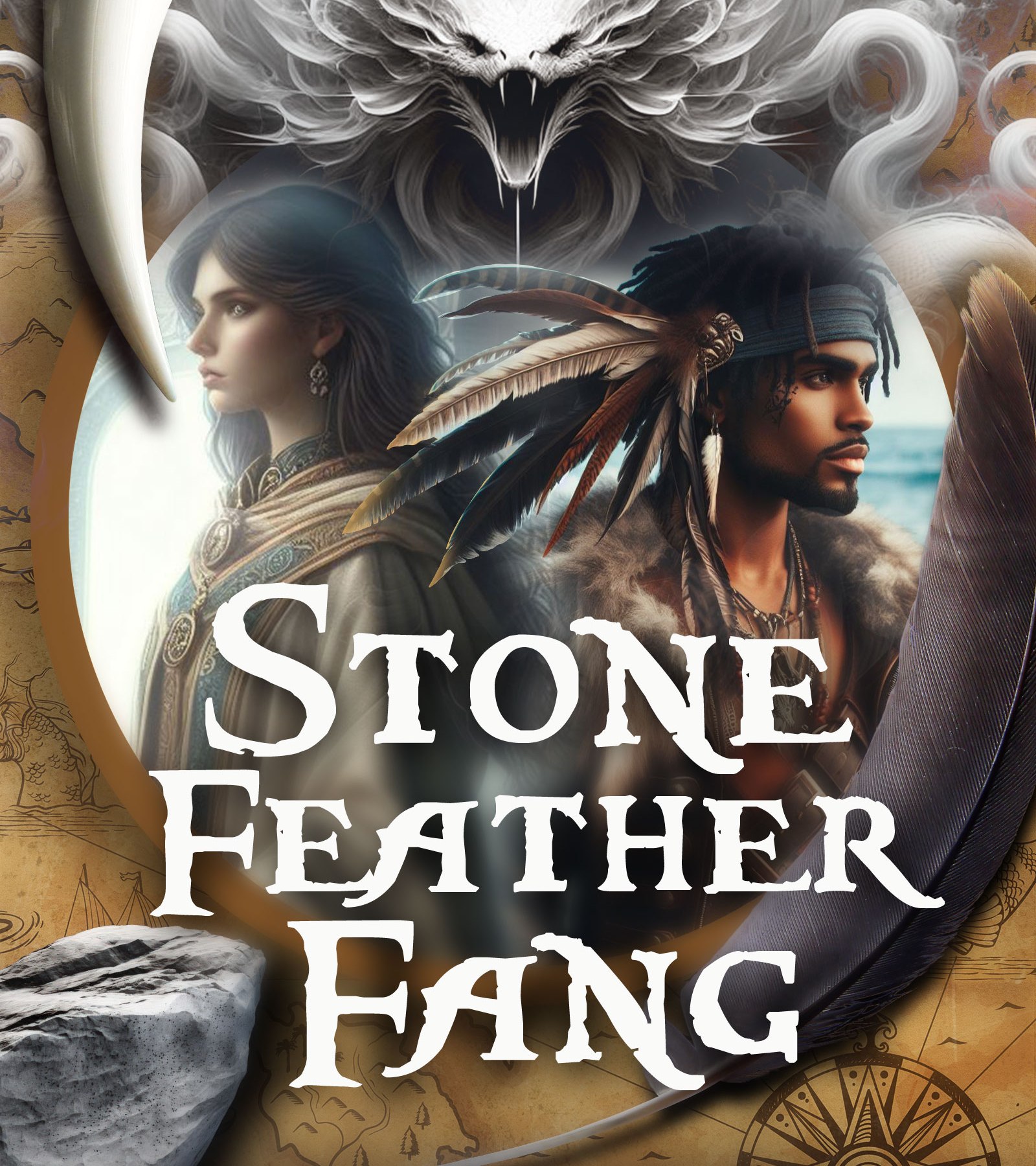
“Stone Feather Fang” by A.G. Rodriguez is a riveting fantasy novel that delves into the rich, mythical culture of the Andoli, a people inspired by the Taino of the Caribbean and modern-day Puerto Ricans. At the heart of the narrative is Hildy Rios, a young priestess-in-training whose quiet life is upturned by a daunting challenge: to perform the Telling, an honored tradition of oral history, despite her crippling speech impediment.
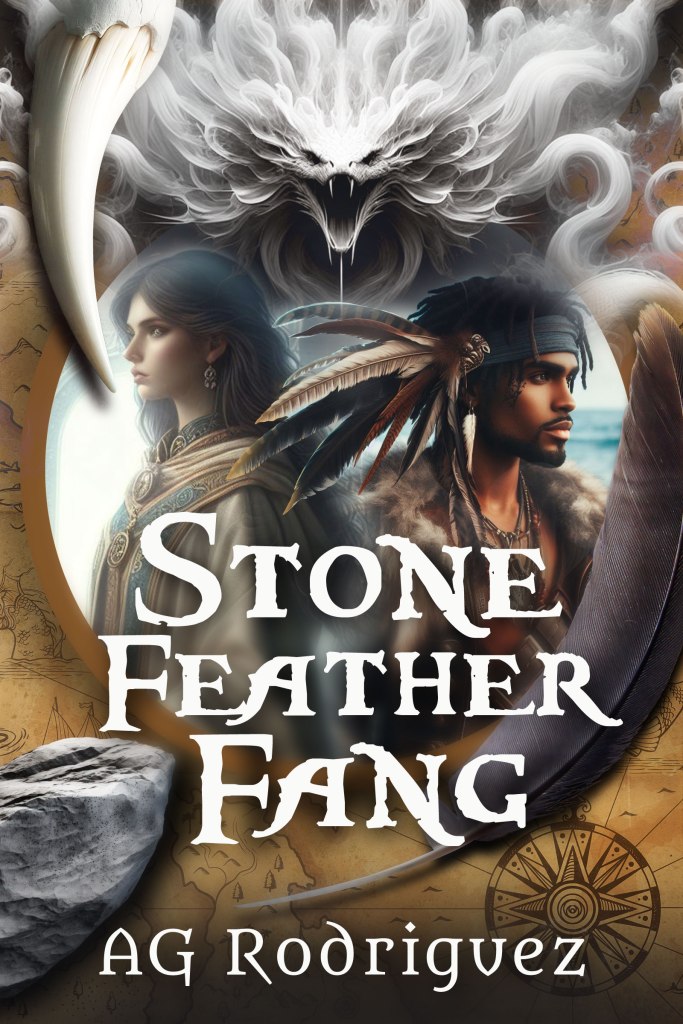
Rodriguez weaves a tapestry of familial duty and personal destiny against the backdrop of impending cultural erasure as Hildy’s sister, Luisa, the ruling Cacique, seeks to abolish their ancestral religion. The conflict escalates when Hildy, losing her prepared notes, spontaneously narrates the exploits of her ancestor Jenaro, a legendary figure whose life story embodies the spiritual essence of the Andoli.
The narrative is beautifully segmented into “caves” — stages of existence in Andoli belief — beginning with the “cave of creation,” where Jenaro’s divine encounters and youthful adventures lay the groundwork for his mythic status. The second segment, the “cave of life itself,” vividly recounts Jenaro’s most famous deeds, challenging both earthly and divine adversaries and striking at the core of Andoli spirituality.
Rodriguez’s portrayal of Hildy is particularly compelling. Her internal struggle with her identity and duty resonates deeply, culminating in a powerful display of defiance and self-assurance on the second night of the Telling. The author skillfully uses the Areíto celebration and the Telling as potent symbols of cultural preservation and resistance.
The climax is chaotic and transformative, with Hildy’s decision to embrace her destiny leading to societal upheaval and her own forced exodus. The novel’s abrupt but intriguing conclusion with Maboya, the cemi of death, hints at further complexities in Hildy’s journey, suggesting a sequel filled with adventure and spiritual exploration.
“Stone Feather Fang” is not only an enthralling story but also a profound commentary on the struggles of maintaining one’s cultural heritage in the face of authoritarianism. Rodriguez’s fluid prose and deep understanding of Caribbean folklore make this a must-read for fans of fantasy that intertwines with real-world cultural themes.
Click here to feature your book in the Review Tales Magazine.


 Review Tales