
Review Tales
Trusted Reviews and Author Features Since 2016
Screens and the Ego: A Meditation on Gen Z by Jane-Marie Auret (Book Review #1808)
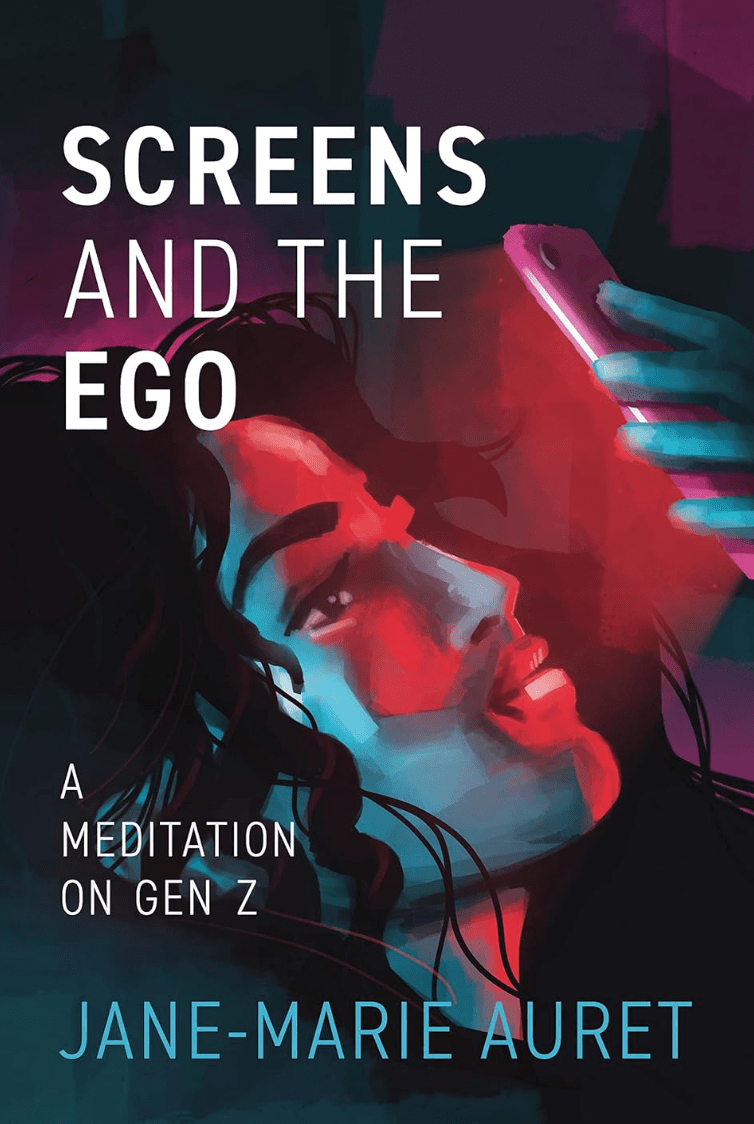
“Screens and the Ego: A Meditation on Gen Z” by Jane-Marie Auret emerges as a compelling and introspective dive into the psyche of Generation Z, blending true stories with fiction to unpack the multitude of challenges faced by this cohort. Auret’s work stands as both a critique and a lament for her generation, grappling with issues such as the disintegration of the nuclear family, hypersexualization, emasculation, and an overwhelming dependence on digital interfaces for social interaction. Through a series of short stories and meditations, Auret offers readers a panoramic view of the mental health crises, identity struggles, and societal pressures that shape the lived experiences of Gen Z.

The book boldly navigates the terrain of modern discontents, contrasting the contemporary reliance on the language of mental health with the more soulful interpretations of emotional and psychological strife offered by previous generations. Auret’s motivation for writing is deeply personal, driven by a desire to mourn the loss of connection to the concept of the soul within her generation and to reclaim her own in the process.
Among the standout stories is “My Brother the Fanatic,” which delves into the cultural dichotomies between the New World (USA) and the Old World (Uzbekistan), providing insightful reflections on unspoken cultural realities. Another notable entry, “Wirtuo,” explores the etymology and evolution of the concept of virtue from ancient Rome to the present day, offering a critical perspective on the word’s current significance in our language and society.
“Exhibits” confronts the underbelly of political correctness with a series of vignettes that expose the tension and contradictions inherent in contemporary discourse on intersectionality and other progressive ideals. Auret’s candidness about feeling betrayed by progressive dogma invites readers to engage critically with these narratives, whether they agree with her interpretations or not.
Despite its engagement with heavy themes, “Screens and the Ego” is marked by a terse and sometimes cutting style that suits the subject matter. However, the repetition of certain rhetorical phrases may detract from their impact. Nonetheless, Auret’s vulnerability shines through, revealing a depth of consideration that enriches the book’s content.
Jane-Marie Auret weaves together philosophy, social critique, philology, and aesthetics with remarkable clarity, making complex topics accessible and engaging. This book is a treasure trove of insights that beckon for a second reading, providing ample food for thought for anyone interested in understanding the inner workings and external challenges of Generation Z.
Though not prescribing solutions or offering unwavering hope, “Screens and the Ego” serves as a vital contribution to the conversation around the realities of growing up in an increasingly digital and fragmented world. It’s a must-read for university staff, parents of Gen Z children, and anyone seeking to grasp the nuances of this generation’s discontents. Jane-Marie Auret has crafted a work that is not only a reflection of her generation’s struggles but also a poignant call to acknowledge and address the underlying issues that afflict them.
Written by Jeyran Main
Click here to feature your book in the Review Tales Magazine.
Discover more from Review Tales
Subscribe to get the latest posts sent to your email.


 Review Tales