
Review Tales
Trusted Reviews and Author Features Since 2016
The Sands Shall Witness by Walter Hurst Williamson (Book Review #1838)

Walter Hurst Williamson’s “The Sands Shall Witness” stands out as a compelling narrative set against the backdrop of the first genocide of the 20th century. It presents a moving story of love, resilience, and survival amidst the horrors of colonialism and genocide in German South West Africa, now known as Namibia. Through the lives of its protagonists, Conrad Huber, and Sybille Maharero, the novel delves into the complexities of human relationships forged in adversity and the relentless struggle against oppressive forces.
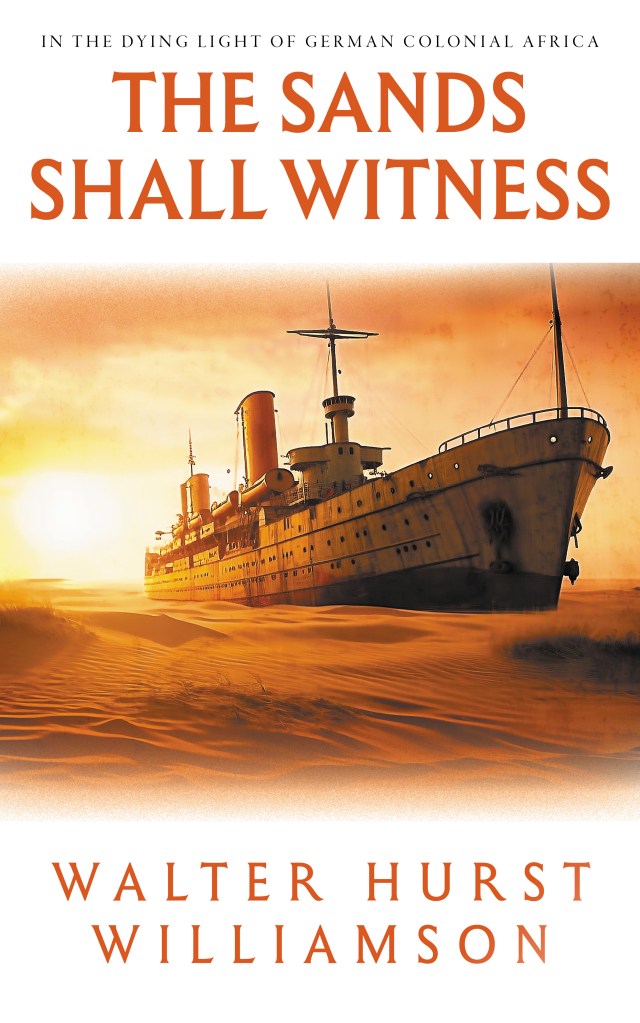
The novel begins with Conrad Huber, who, after facing personal loss, finds himself in Africa as an aide to the Commissioner of the German colony. His journey from naivety to awakening is portrayed with sensitivity and depth. Conrad’s character is relatable and likable; he is a man caught between his sense of duty and the stark injustices he witnesses. His evolving conscience, marked by his interactions with the local Herero and Nama people, offers a nuanced perspective on the moral dilemmas faced by individuals within oppressive systems.
Sybille Maharero emerges as a figure of strength and defiance, a beacon of hope and resistance in a time of despair. The development of her relationship with Conrad is intricate, reflecting the complexities and constraints imposed by their disparate worlds. While their love story is central to the narrative, it also serves as a lens through which the broader themes of resistance, tragedy, and cultural clash are explored.
Williamson excels in depicting the harrowing realities of colonial rule and its devastating impact on the indigenous populations. The portrayal of the German colonists’ attitudes and the brutalities inflicted upon the African communities is unflinching, offering a stark reminder of the inhumanity of colonialism. The narrative does not shy away from the uncomfortable truths of history. Instead, it confronts them head-on, compelling readers to reflect on the past and its lingering echoes in the present.
The romance between Conrad and Sybille, while central to the story, at times feels underdeveloped. Their connection, although significant, occasionally lacks the depth and emotional resonance one might expect from such a poignant backdrop. This aspect, however, does not detract from the overall impact of the narrative but rather highlights the multifaceted nature of human relationships under duress.
“The Sands Shall Witness” is more than just a historical novel; it is a testament to the enduring spirit of those who resist oppression and fight for their dignity and freedom. Williamson’s rich descriptions and character-driven storytelling bring to life a chapter of history that demands recognition and remembrance. The novel is a profound exploration of the consequences of colonialism and the indomitable will of the human spirit to overcome adversity.
In summary, Walter Hurst Williamson’s “The Sands Shall Witness” is a captivating and educational read that captures the resilience and strength of the Herero and Nama people. While the romantic subplot may have its shortcomings, the novel’s exploration of historical themes and its unflinching portrayal of colonialism’s impact make it a valuable contribution to the discourse on African colonial history.
Written by Jeyran Main
Click here to feature your book in the Review Tales Magazine.
Discover more from Review Tales
Subscribe to get the latest posts sent to your email.


 Review Tales