
Review Tales
Trusted Reviews and Author Features Since 2016
Words of Wisdom by Rathan Krueger
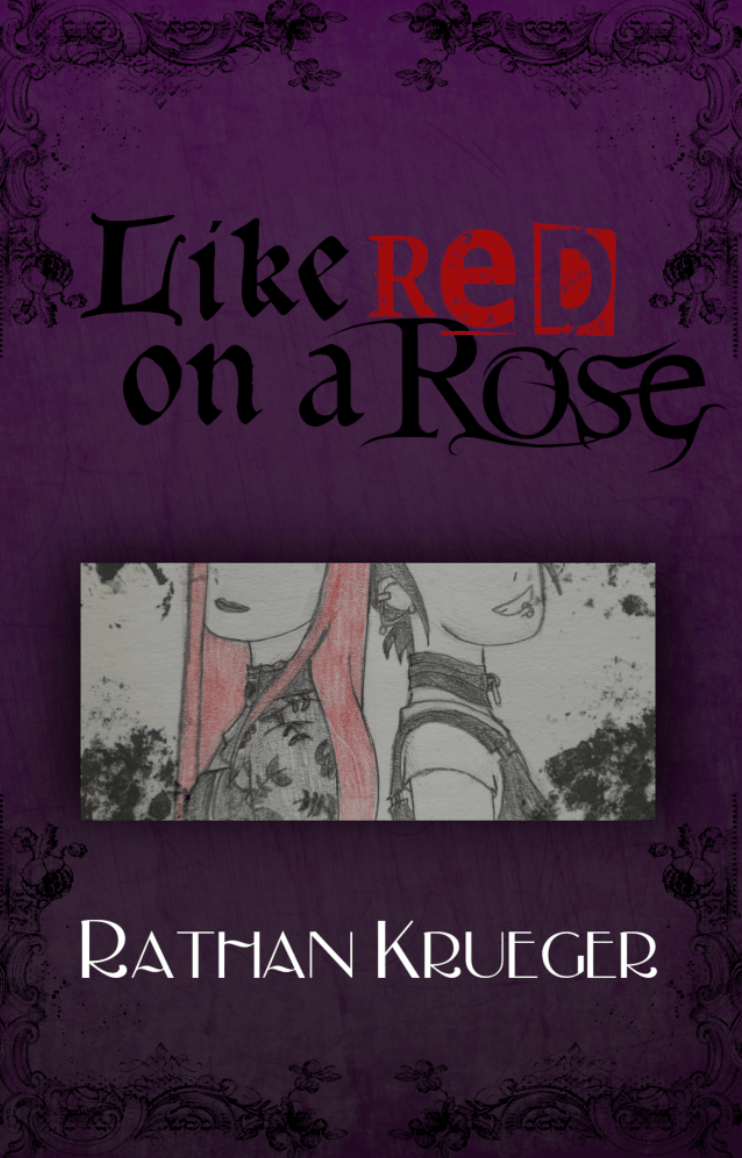
It’s annoying when someone beats you with their pop culture “expertise”, isn’t it? We get it; they’ve read “The Silmarillion”. A lot. However, you shouldn’t let that overzealous author with the Quenya pen name deter you from enjoying pop culture references in literature. They’re succinct ways for the author to connect to you, and for you to connect to other readers. Historians appreciate them, too.
A needless fear people have about pop culture nods is they date the material. No matter how timeless an author tries to make their work, said work is a product of its time. Instead of contriving their work into a mid-20th century ideal (since that’s what people tend to mean when they say “timeless”), if it takes place in the real world, I say embrace their era. One better, let the nods be extensions of the author. That’s what art is, right? And authors are artists. The nods might narrow the net they cast for an audience, but those they catch will be grateful.
The nods aren’t a late-20th century phenomenon, either. “The Great Gatsby” was published in 1925 and is full of jazz, and jazz is pop culture. Historians examine F. Scott’s novel for what the Jazz Age was like, keeping in mind it was written from a certain point of view. Too recent? Pop culture references haven’t hurt “The Divine Comedy” and Dante Alighieri wrote it almost a millennium ago. The work is full of nods, from Greek and Roman mythology to politicians to painters to many other things that would’ve been considered pop culture in 14th century Italy. Also, Dante’s pop epic was so influential, it standardized Italian language. Historians have been grateful for centuries. Timelessness through specificity? Groovy.
As with all things, there’s a saturation point with the nods, specific to each work. Authors who dabble in the zeitgeist should be mindful of that, or else they’ll be guilty of what some critics will accuse them of: mindless self-indulgence. Those who dabble successfully will be able to reap the benefits of adoring fans and historians. If they read their novel.
Written by Rathan Krueger
Discover more from Review Tales
Subscribe to get the latest posts sent to your email.


 Review Tales