
Review Tales
Trusted Reviews and Author Features Since 2016
Dreaming from the trunk of an American Car by Pashko R. Camaj (Book Review #2229)

This remarkable memoir follows one man’s extraordinary journey from the rugged beauty and political turmoil of Montenegro, a region nestled in the former Yugoslavia, to the diverse and dynamic promise of the United States. Told with aching honesty and cultural reverence, this is more than a tale of assimilation—it is a story about belonging, sacrifice, family legacy, and the emotional price of freedom.
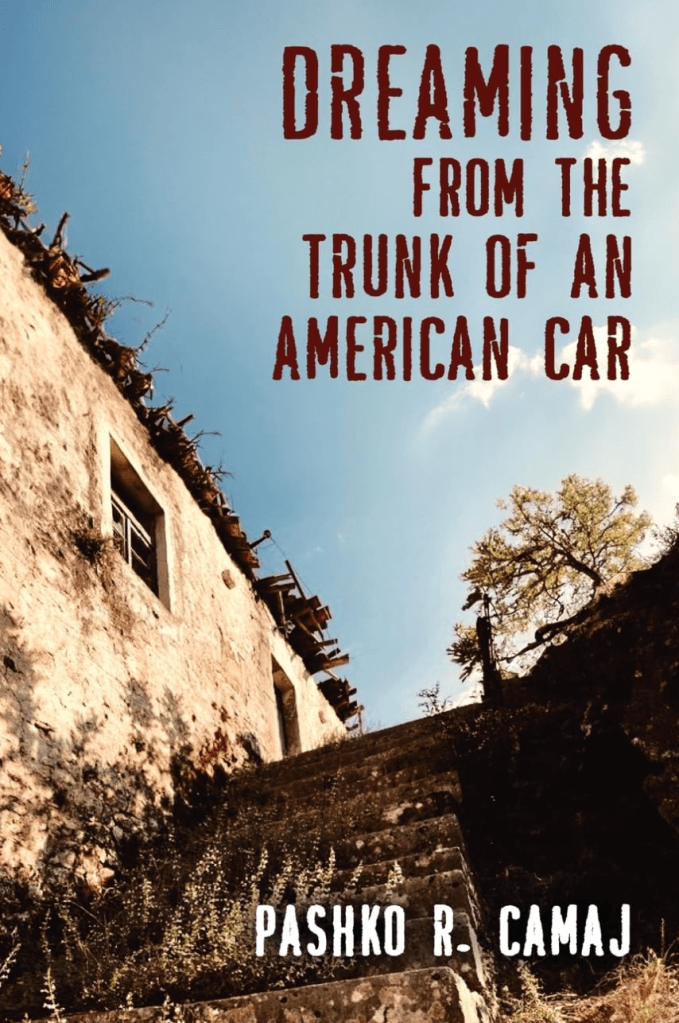
Beginning with a daring and dangerous escape across the U.S.–Mexico border in the trunk of an American car, the memoir immediately captivates with the tension and urgency of its opening chapters. But this book is not simply about border crossings—it is about crossing emotional, historical, and spiritual thresholds.
The author, a 20-year-old man accompanied by his twin sister, leaves a homeland marked by political unrest, ethnic conflict, and generational sorrow. He carries with him not only dreams of a better life but also a profound connection to the land and people he leaves behind. From a grandfather executed by communists to a father who endured countless hardships, the memoir moves between family lore and present reality, painting a vivid picture of Balkan life and its deep-rooted traditions.
Once in America, the author’s struggle begins anew. Sixteen-hour workdays as an interior painter, night classes to learn English, and moments of quiet loneliness shape his early days. Yet there is also resilience—he marries a woman from his home country, builds a family, and gradually carves a space for himself in a land that is at once alien and full of possibility.
The second half of the book chronicles his transformation from a newcomer to a fully integrated member of American society, pursuing higher education, ultimately completing a doctorate at Columbia University, and rising through the ranks of a major public agency to become a Vice President. But even in this hard-won success, there is a lingering ache—a question he cannot outrun: “Did I sin against my forefathers by leaving?”
This memoir is not a simplistic “rags-to-riches” tale. It is an emotionally intelligent meditation on cultural inheritance, intergenerational guilt, and the paradox of chasing the American dream while grieving what was left behind. In a powerful final act, the author returns to his ancestral village, now ghostly and abandoned, and confronts the crumbling ruins of the family’s two-story stone kulla. Through a reverent and dreamlike encounter with the past, he is finally able to reconcile the boy who left with the man who has built a life in a new land.
Stylistically, the memoir is poetic, nostalgic, and grounded in a clear-eyed realism. Its strength lies not just in the dramatic journey, but in the interiority—the way the author explores his own heart, his doubts, his hopes, and his failures with humility and grace. The themes of identity, displacement, resilience, and legacy are universally resonant, particularly for first-generation immigrants and readers drawn to cross-cultural narratives.
This book is a deeply moving, profoundly human story of migration, memory, and meaning. This memoir transcends borders—both literal and figurative—to reveal what it truly means to create a life without forgetting where you came from. For anyone seeking a raw, beautifully written account of the immigrant experience, this book is essential reading.
Written by Jeyran Main
“Support the writing community—purchase our magazines today!”
“Explore more reviews and find your next great read!”
Discover more from Review Tales
Subscribe to get the latest posts sent to your email.


 Review Tales