
Review Tales
Trusted Reviews and Author Features Since 2016
The Worms in Fools’ Fingers by M.J. Watts (Book Review #2338)
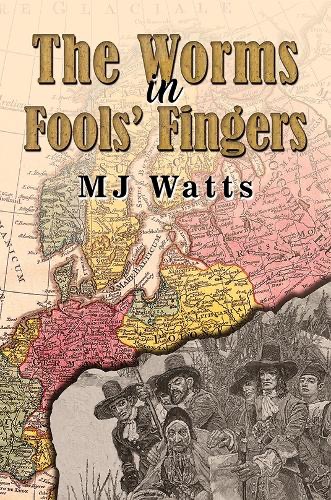
The Worms in Fools’ Fingers by MJ Watts is a dark, unsettling historical novel that leans heavily into the moral ambiguity and paranoia of seventeenth-century Europe. Rather than simply recounting events of the witch trials, Watts uses the period as a lens to explore how fear, opportunism, and belief systems intertwine—often with devastating consequences.
What stands out most is the novel’s tone. It is relentlessly bleak, but intentionally so. The world Watts builds feels contaminated—not just by disease and war, but by suspicion and self-interest. There’s a constant sense that no one is entirely innocent, and that’s where the book finds its power. The line between righteousness and cruelty isn’t just blurred—it’s almost meaningless. Characters justify horrific actions under the guise of faith, survival, or duty, leaving the reader to sit with that discomfort.
Udo Beck, in particular, is not written as a traditional protagonist. His transformation feels less like a clear descent into villainy and more like a slow erosion of moral boundaries. That makes him compelling, but not necessarily likable. Watts seems less interested in redemption arcs and more focused on how ordinary people rationalize becoming part of something monstrous. This approach may frustrate readers looking for a hero, but it aligns well with the novel’s thematic weight.
Enjoying this article?
Stay connected with the Review Tales literary community and receive new articles, magazine releases, and exclusive updates.
No spam. Only literary content.
The historical setting is immersive without being overly academic. Watts doesn’t overload the narrative with exposition, but the atmosphere—war-torn landscapes, disease-ridden communities, and the rising hysteria of witch persecutions—feels authentic and grounded. The inclusion of multiple locations and perspectives adds scope, though at times it can make the narrative feel slightly fragmented, especially if you’re trying to stay anchored to a single storyline.
One of the book’s strengths is its refusal to simplify. There are no easy answers, no clear moral victories. Even moments that seem like justice are tainted by underlying motives. That said, this same strength can also be a barrier—some readers may find the pacing uneven or the emotional distance from characters a bit too strong to stay fully invested.
The Worms in Fools’ Fingers is less about plot-driven action and more about examining the human capacity for cruelty under pressure. It’s a grim but thought-provoking read that will appeal most to those who appreciate morally complex historical fiction and aren’t afraid of narratives that leave them unsettled rather than comforted.
Written by Jeyran Main
Enjoying this article?
Stay connected with the Review Tales literary community and receive new articles, magazine releases, and exclusive updates.
No spam. Only literary content.

Discover more from Review Tales
Subscribe to get the latest posts sent to your email.


 Review Tales