
Review Tales
Trusted Reviews and Author Features Since 2016
Quiet Endurance: A Memoir by James D. Reginato (Book Review #2332)

Quiet Endurance by James D. Reginato is a profoundly affecting medical memoir that captures the silent devastation of chronic illness and the emotional violence of not being believed. With restraint, clarity, and quiet power, Reginato documents the unraveling of his health after a post-travel illness leaves him trapped in a body that no longer follows predictable rules—and in a medical system unequipped to listen when answers are not obvious.
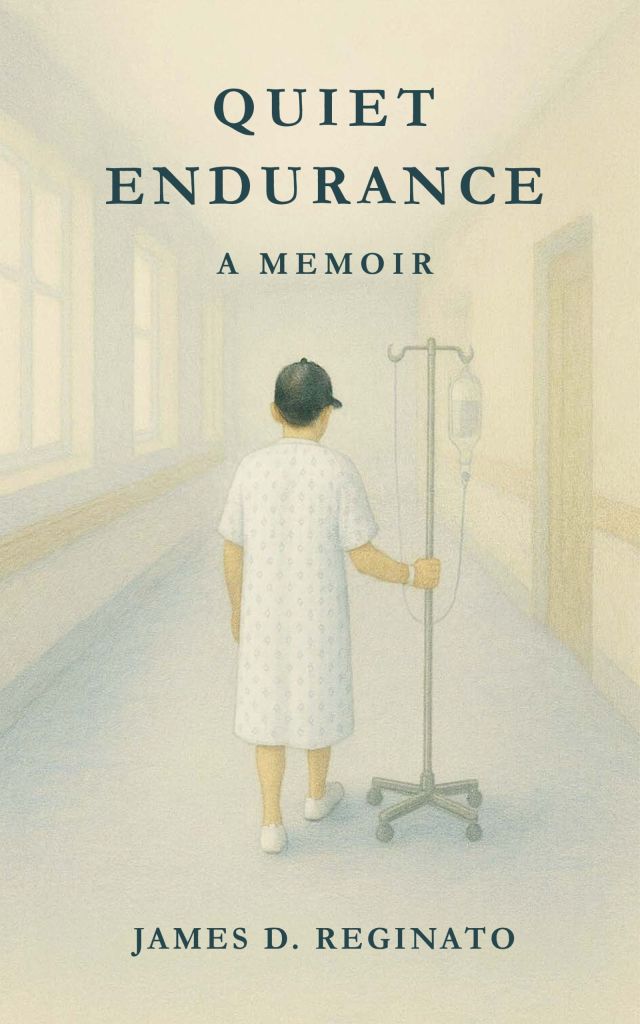
What begins as unexplained gastrointestinal and autonomic symptoms soon spirals into a prolonged fight for survival, credibility, and dignity. As specialists repeatedly reframe physical collapse as psychological distress, Reginato is subjected to misdiagnoses, institutional assumptions, and a deeply damaging admission to an eating-disorder unit that fundamentally misunderstands his condition. The memoir exposes how quickly patients with complex, invisible illnesses are sidelined once their symptoms defy clean diagnostic categories.
Enjoying this article?
Stay connected with the Review Tales literary community and receive new articles, magazine releases, and exclusive updates.
No spam. Only literary
Yet Quiet Endurance is not driven by outrage alone. Its power lies in its restraint. Reginato writes with precision and emotional intelligence, allowing moments of confusion, fear, and isolation to speak for themselves. The result is an intimate portrait of what it means to live in limbo—watching a future dissolve while fighting to be taken seriously by those entrusted with care.
Beyond its critique of systemic failure, this memoir is a deeply human story about identity and resilience. Writing becomes an anchor as Reginato navigates loss: of health, of certainty, and of the life he was building in his early twenties. His reflections illuminate the quiet courage required to endure daily suffering without validation, and the strength it takes to keep advocating when the system decides you no longer fit.
Quiet Endurance is an essential read for anyone touched by chronic illness, medical trauma, or the invisible battles carried by patients who fall between institutional gaps. Honest, unflinching, and compassionate, it gives voice to experiences too often dismissed—and reminds us that being heard can be as vital as being healed.
Written by Jeyran Main
Enjoying this article?
Stay connected with the Review Tales literary community and receive new articles, magazine releases, and exclusive updates.
No spam. Only literary
Discover more from Review Tales
Subscribe to get the latest posts sent to your email.


