
Review Tales
Trusted Reviews and Author Features Since 2016
Entwined Within the Darkness by Charley Black (Book Review #1474)

‘Entwined Within the Darkness’ is the first book in its trilogy. It is a story filled with suspense, action, humor, steam and fantasy elements.
Read MoreI Didn’t Sign Up For This Sh*t by Michael Lewis, MD (Book Review #1473)

‘I Didn’t Sign Up For This Sh*t’ is a medical memoir discussing the barriers to passionate medical care and the doctor-patient relationship. The author emphasises the demise of compassion in medicine, providing some hope for the future.
Read MoreWhere the Butterflies Sleep by Steve Carey-Walton (Book Review #1473)

‘Where the Butterflies Sleep’ is a literary fiction about Marigold Barton and her struggle to get what she deems rightfully hers, the inheritance of her wealthy husband, Todd.
Read MoreKeys to Better Healthcare: A Guide for Patients and Healthcare Professionals by Jack E. Lewi, MD (Book Review #1472)

‘Keys to Better Healthcare’ is a self-help non-fiction book for those in the medical field. The author enables the reader to understand the healthcare system and prepares you for a better experience.
Read MoreThe St. Ciaran’s Chronicles by Will Mullin (Book Review #1476)

‘The St. Ciaran’s Chronicles’ is a young adult fiction. It is the first book of its series and begins with Aidan struggling with losing his friend. Aidan’s self-confidence is weak, and he has self-identity issues in his teenage years.
Read MoreUNVEILED by Dawn James (Book Review #1471)
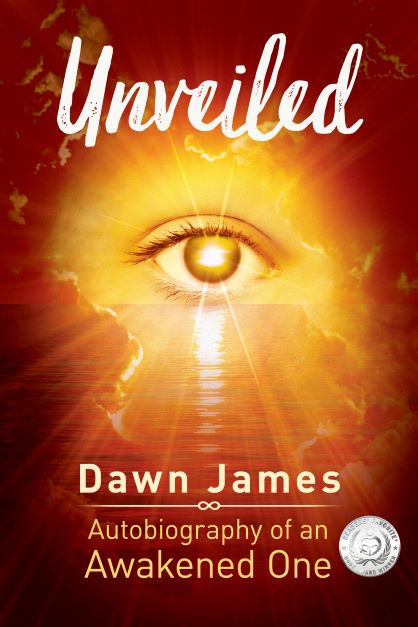
‘UNVEILED’ is a spiritual and inspirational autobiography written by a very strong woman who has attempted to invite you into a world where she has experienced being blind, deaf and mute before age ten. Dawn fights for her life many times and is left paralyzed from the waist down.
Read MoreThe Shortcut to Success by Ruben Gonzalez (Book Review #1470)
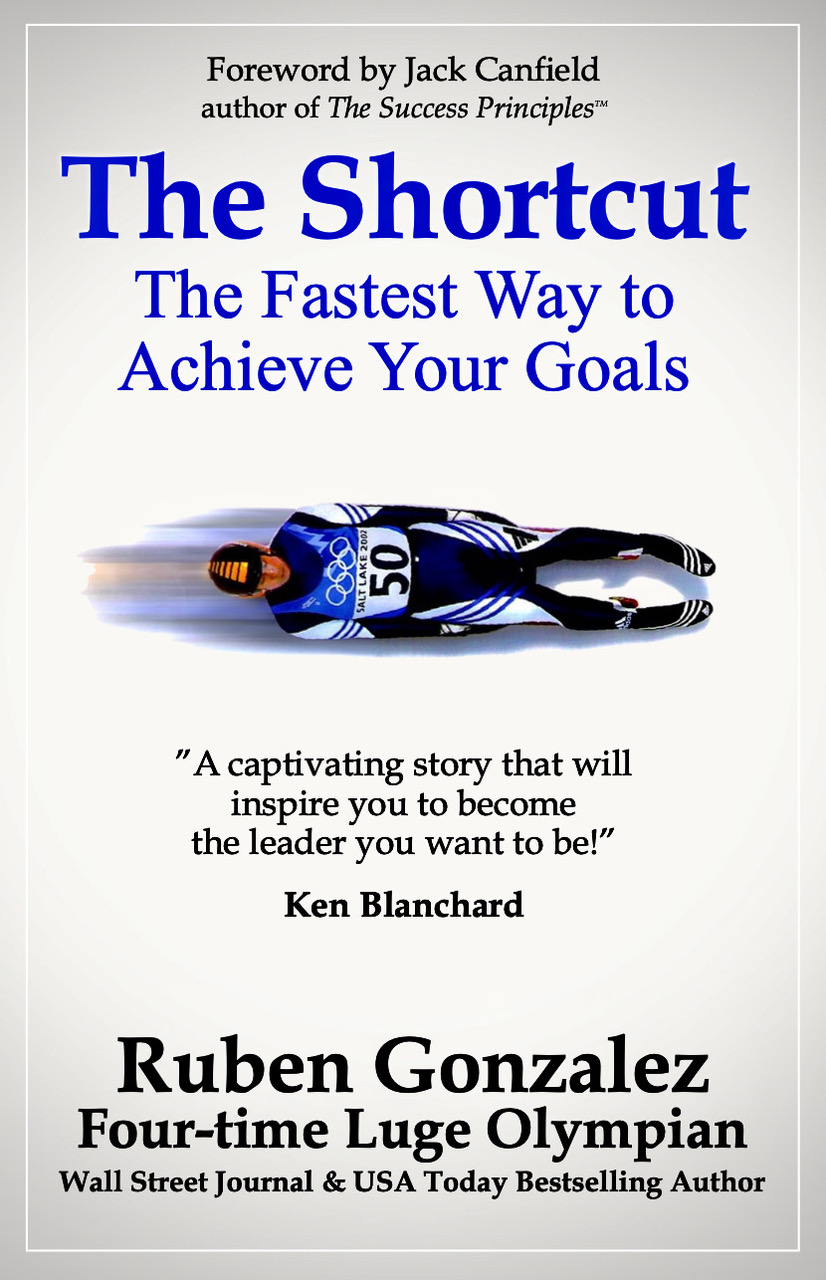
‘The Shortcut to Success’ is a self-help motivational book written by a successful business owner who also happens to be a four-time Olympian. The book is geared towards those who wish to succeed in achieving their goal.
Read MorePACIFIC DASH – From Asia Vagabond to Casino King (Book Review #1469)

‘Pacific Dash’ is a travel fiction tale about Dash Bonaventure, a young American who 1969 moved to Hong Kong. The move alone creates many challenges and makes him pursue an adventure and go through things naturally but differently.
Read MoreThe Good Lord Willing and the Creek Don’t Rise: by Robert W. Norris (Book Review #1468)
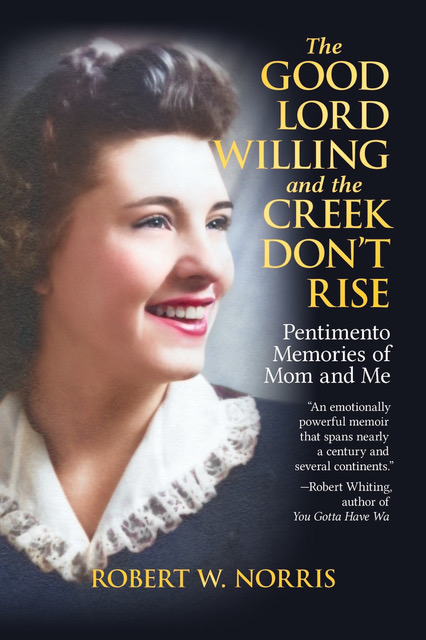
‘The Good Lord Willing and the Creek Don’t Rise’ is an impressive memoir dedicated to a life well lived spanning nearly a century. With much detail and passages that genuinely do take you on a journey, you realize what life can truly be about.
Read More


 Review Tales