Review Tales
Trusted Reviews and Author Features Since 2016
All about ‘Brother Broken’ – Cecile Beaulieu
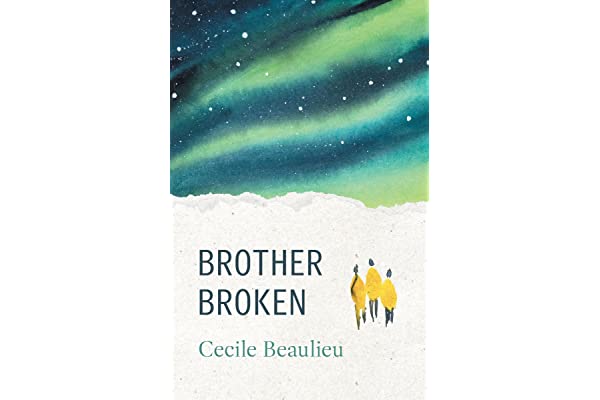
‘Brother Broken’ is not a tale of woe. It’s not a romance novel, a how-to handbook, a travel guide, a pot-boiler, a sci-fi sequel or a fantasy adventure. It’s a Saskatchewan true story. A slice of history that’s not dark or depressing. A memoir of hope and gratitude, with a touch of ridiculous―though some parts are complicated, because there is nothing straightforward pertaining to ‘broken’.
Read MoreThe Sound of The Broken Wand By Tiki Black (Book Review #1454)
‘The Sound Of The Broken Wand’ is a poetry collection and an essay that consists of life, living and death. The six sections cover a broad subject area that can be relatable and enjoyable for the readers.
Read MoreThe Smallest War by Mark Sheehan (Book Review #1455)
‘The Smallest War’ is an action-adventure filled with thrill and intense elements. America and Russia are at each other’s throats from a treaty that was made between them back in 1867. The concept of the story revolves around oil and how both countries have the right to it.
Read MoreGive Me Shelter by David B. Seaburn (Book Review #1455)
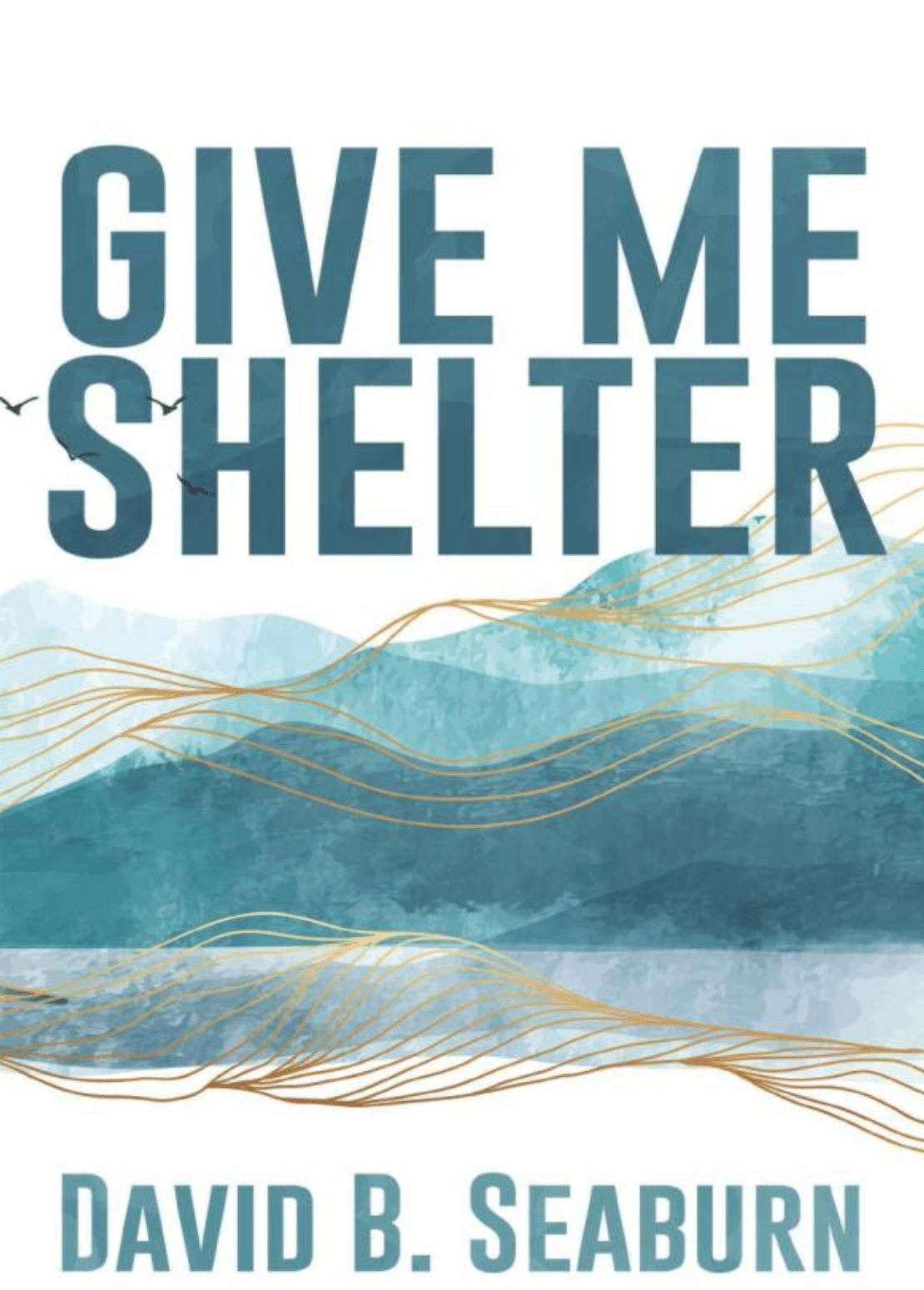
‘Give Me Shelter’ is a historical thriller set in 1962 when the Cuban missile crisis threatened the world. The story revolves around Willie, Denny and their grandfather. He takes care of the children after their parents die in an accident.
Read MoreAn Interview with Jeannine Hall Gailey

- What’s your favorite thing you have written?
That’s a tough one! I really love the current series I’m writing of Cassandra poems, I loved my first book which I worked so long on, starting in my twenties and ending when it was published at 32. I love my essays because that’s a different and more challenging form for me. This latest book Is my most vulnerable, which makes me feel like It’s also more risky. I confess I love “Calamity,” one of the first poems In Flare, Corona, which I wrote right before the pandemic and was published a few months later In Poetry – In April, 2020, right as the pandemic was sinking In.
Read MoreEventually They All Fall by Jenna Marcus (Book Review #1450)

‘Eventually They All Fall’ is a young adult fantasy. It is filled with urban fantasy and created for the young mind. The story revolves around a boy called Domino and his power being able to view other people’s desires.
Read MoreAn Interview with Donovan Hufnagle
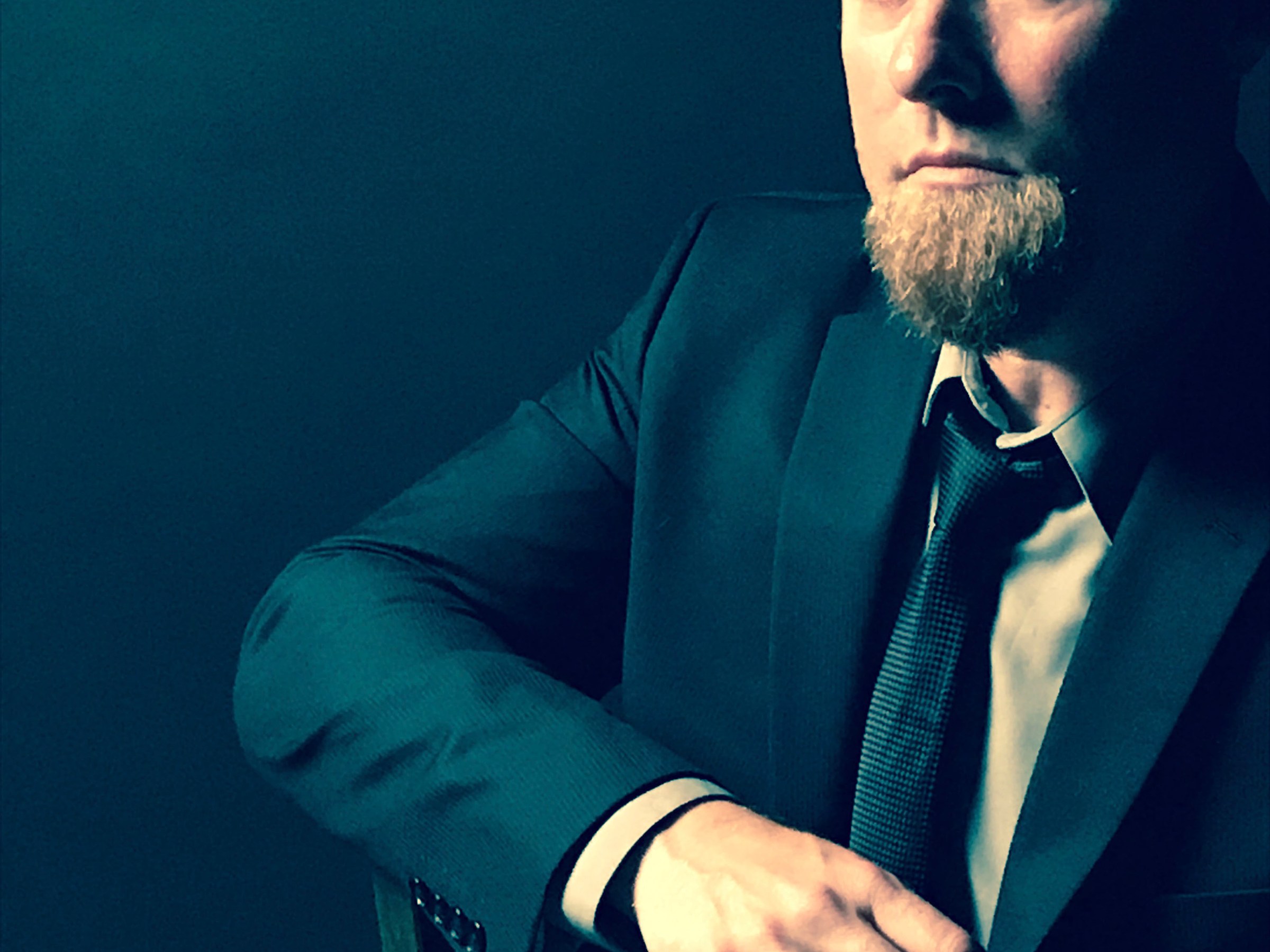
- What’s your favorite thing you have written?
All my pieces, collections, and books are like my children; they each fill a special space—I favor not one more than the other. How could a parent pick their favorite child? My first book, The Sunshine Special, will always be my first. The book tells the story of my great uncle, like a grandfather to me, traveling by train in 1920 from Fort Worth, Texas, to Los Angeles, California and back. He meets his future wife along the way, a love they have held for over 50 years. It is written in the style of a journal interrupted by letters and telegrams. The Sunshine Special is my favorite because it allowed me to tell his story. Shoebox, my second collection tells a poetic story of a woman, who was adopted from Russia as an infant and who now struggles with depression and dysplasia. This is my favorite book because it tells her story. My third collection, 30 Days of 19, was written during the first 30 days of the covid quarantine. I inverted the haiku from 17 syllables to 19. Each poem represents a daily snapshot of my world. Each poem is juxtaposed with a tweet about the pandemic and the total case and death numbers. This book is my favorite because it is my mom’s favorite. My current book, Raw Flesh Flash: The Incomplete, Unfinished Documenting Of, is a poetic scrapbook investigating the universal narratives of tattoos. Through the voice of artist or canvas, survivor or prisoner, you or I—the collection captures the personal and shared accounts of the people part of the tattoo ethos. As poet Kristen Prevallet says, the book is “a careful poetic ethnography of tattooed bodies and the stories that they tell.” This book is my favorite because it tells their stories.
Interview with James C. Morehead
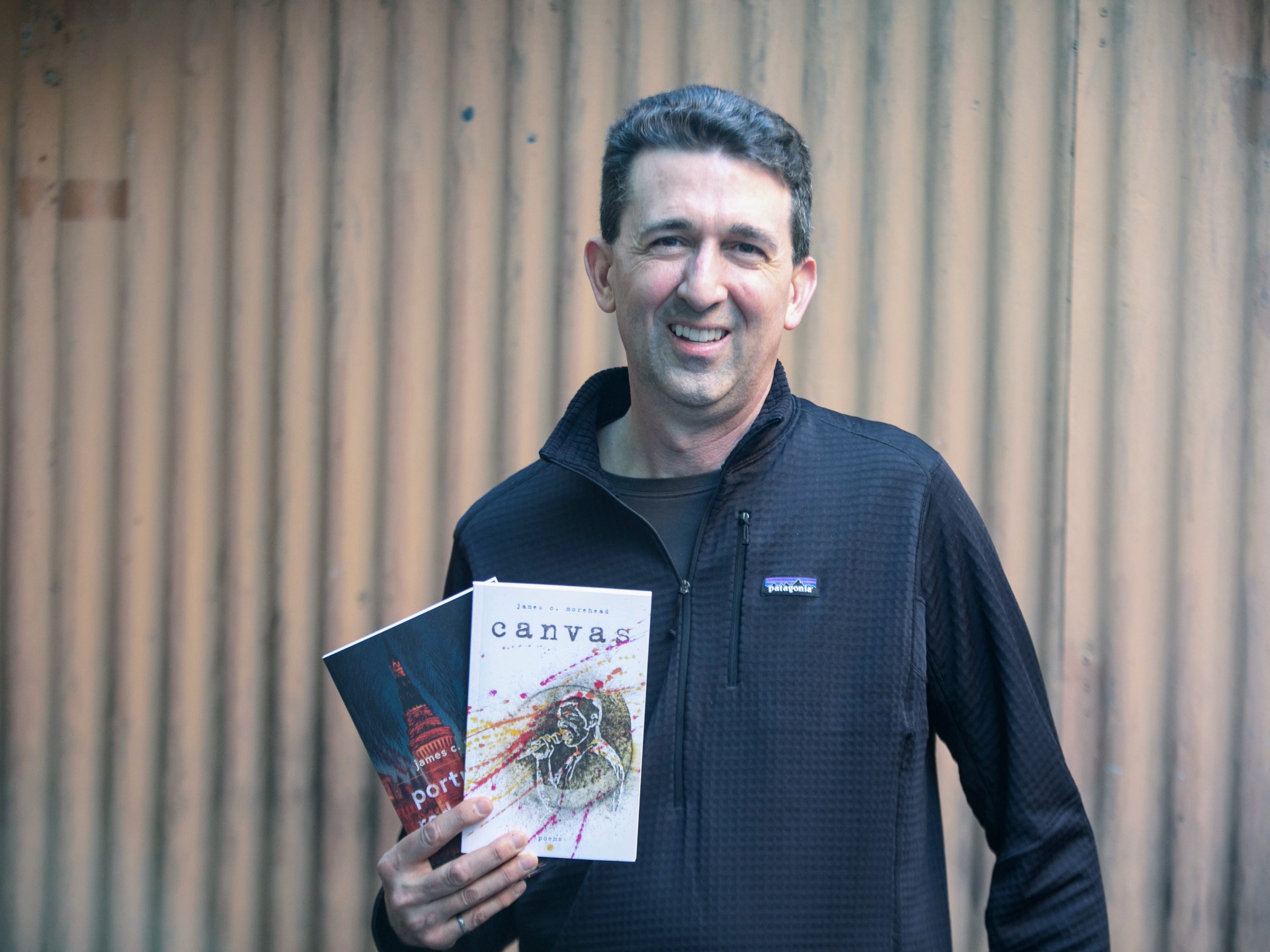
1-When did you first realize you wanted to be a writer?
The first memory I have of writing creatively was in elementary school, like many kids, when I wrote and physically created a book. I still have that book – bound in fabric – it was a science fiction story. I wrote many short stories, mostly fantastical, and was a fantasy and science fiction bookworm as soon as I was able to read. Fast forward to high school, and a Creative Writing teacher in grade 10 introduced me to contemporary poets. The poetic seed was planted, and I’ve been writing poetry ever since.
Read MoreBeyond the Atmosphere by Wayne McKinstry (Book Review #1453)
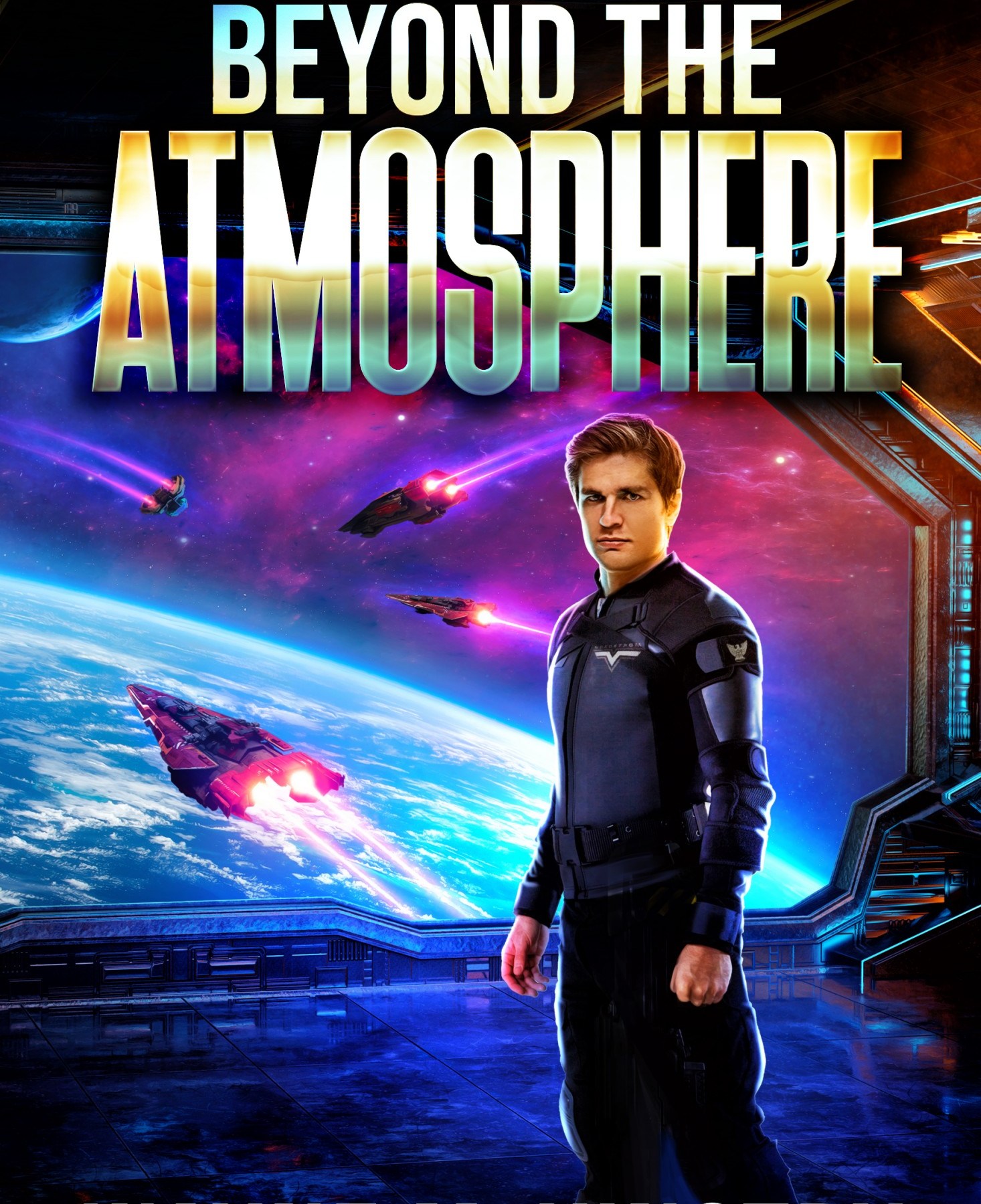
‘Beyond the Atmosphere’ is a military and science fiction book. The concept of the story revolves around Nordstrom and his friends saving the world from annihilation. An asteroid is attacking, and Nordstrom has to defend his planet.
Read More


 Review Tales