
Review Tales
Trusted Reviews and Author Features Since 2016
Acute Renal Failure -12 Year Anniversary off Dialysis – Never give up! by James Okun
November 30, 2016, celebrated the thirteenth year since I suddenly went into acute renal failure from an unknown cause and almost died. Even as a physician, I was completely shocked to learn that from one day to the next my kidneys had shut down and I was in kidney, heart and respiratory failures (See my book The History of New Innovations in Modern Medicine Chapter 1).
It turns out that I was in pretty good company as many others develop renal failure each year (More than 661,000 Americans have kidney failure with 468,000 on dialysis http://www.kidney.org) including some very famous people who eventually died from it.
Some well know victims of Kidney failure include: Greta Garbo, Jean Harlow, Chiang Kai-shek, Julia Child, Alfred Hitchcock, Marlene Dietrich, Howard Hughes and General Douglas MacArthur (www.ranker.com).
Normally, your kidneys filter out toxins from the blood, reabsorb important nutrients and preserve water balance. When they fail, toxins build up in the blood, edema develops and if not treated the patient can die.
Some causative factors of acute renal failure include the effects of certain toxins and poisons, heavy metals and medications, acute blood loss and dehydration, sepsis or mechanical blockage (such as from an enlarged prostate See Chap 3 The History of…). Kidney failure can also result from the long-term effects of conditions such as diabetes, high blood pressure and auto immune diseases such as lupus.
If you know anyone undergoing dialysis, please support them to the utmost. It is absolutely lifesaving, and without it, the patient will die, but it is also very difficult to tolerate.
When I was on dialysis for six weeks in 2003/2004, I would get severe muscle spasms during the three to four hours undergoing treatment. One time I had an episode of acute diarrhea and lay on the bed mortified in the Charity Hospital dialysis unit (since closed after Katrina) as a nurse’s aide had to clean up the mess. I was pretty hopeless.
After outpatient treatments, I would come home so weak I had to crawl to the front door. I remember one day lying in bed and weeping because I truly believed I would never be free again to travel or exercise or do anything without being tethered to a dialysis machine. I prayed to God to help me and to send me a miracle.
The miracle came after the dialysis shunt clotted in my neck and it was taken out. I was prepped for a permanent shunt in my arm. When the preop labs came back, they were normal. No one could believe it. My prayers had been answered. Gratitude, faith, and belief had overcome cynicism, anger, and doubt. So, as bad as things may seem, be proportionate and never give up!
James D. Okun, MD is a Phi Beta Kappa graduate of Duke University and of the Albert Einstein College of Medicine in New York. He is the co-author of The History of New Innovations in Modern Medicine and of Erasing Scars: Herpes and Healing.


The Selection Series by Kiera Cass – Eadlyn’s Tale (Book Review #7)
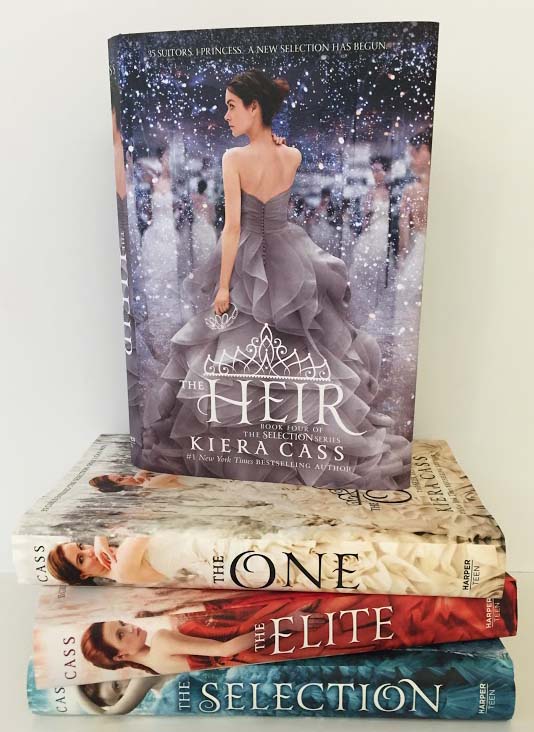
“Eadlyn Helena Margarete Schreave de Koskinen is the main protagonist in the novels The Heir and The Crown and the prize of her own Selection. She is the daughter of King Maxon Schreave and Queen America Schreave, making her princess of Illéa. In The Crown, she becomes the first Queen of Illéa. She has a twin brother, named Ahren, who is seven minutes younger than her, and two other younger brothers, Kaden and Osten.”- by Kiera Cass
Review
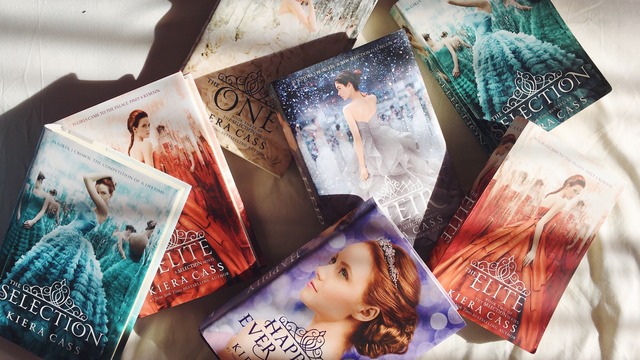
The Selection series is a 5-novel book about two girls named America & Eadlyn written by Kiera Cass.
I managed to read all five of the books in July and found them very easy to understand and to follow.
“The Heir” and “The Crown” were written in 2015 and 2016. Without giving too much away for people that have not yet read the book, I would like to give a small description of the whole thing before I comment on my feelings about it.
Eadlyn is America’s daughter and next in line to take the crown. The caste system and the political situation of the country have changed. Eadlyn has been trained and taught everything she needs to know from birth and has a whole new set of problems and dramas to comprehend.
Eadlyn was fortunate with having considerate parents and the fact that her father trained her so well for the time that she was to become queen made the whole story very appealing. Although a few times you could see her rage, stubbornness or snappiness, you knew where they came from, and she managed to stay calm, firm and very independent throughout the whole tale.
The story contained the same witty skill of which, is Kiera’s writing and kept its beautiful visual scenes of cute dresses. It was nice to see how a country is ruled, and there was much more depth into the political side of things where we hardly saw any of that when Maxon was the prince.
One of the main negative parts of the story, in my opinion, was that majority of the book was continuously commenting on how she hated being trained, hated the workload, disliked becoming queen and hated having to choose a husband from the selection. Overnight, suddenly she becomes so eager to have the crown that she asks to become queen before her parents are even dead or want to give it all up! This change of heart is not only sudden, but the odd part was that she thought that she was able to do it all by herself too. Only afterward did she start assembling different people for different positions and all the training clicked into place. Otherwise, from the beginning and right up until the story ends, Eadlyn did not want any of it.
Another concern was that the men chosen for the selection seemed to be doing nothing but hanging around until she would spend time with them. They were so bored that they would come up with ideas to even entertain themselves or play games outside. When Maxon was going through the selection, all the girls were going through daily training and etiquette lessons. They were taught about the country, the demands and were studying, training for the day that they may become queen. I did not understand why anything of this sort was happening for Eadlyn’s selection. The intensity of things was much harsher and more disciplined around Maxon’s time.
Eadlyn remained clueless about love and what it meant to be in love right until the last couple of chapters. When she eventually found what it meant, it was so sudden, cheap and not much content revolved around it. It almost looked as if it was more infatuation rather than true love. The term “soul mate” was used in so many ways yet she only had two meetings with the one she liked discussing very simple things such as “what does your father do?” I believe if Kiera had brought up this love sooner in the book and gradually increased it, then it would have been a much more in depth, believable love. Subsequently, Eadlyn’s reasoning for breaking all the selection rules would then not look so much out of her character. She was always on regulation and guidelines, which was nice.
I still enjoyed reading the two books and was happy with the flow of everything. It was nice to see and learn more about the king and queen, Miss Marlee and of course Aspen. Kiera did an excellent job in connecting everyone together and finishing it all with a happy ending. I just wished that the ending did not look so rushed.
Written by Jeyran Main
Here is how you can buy these books on Amazon:


If you would like a book review click here
If you would like your book edited click here
Need help getting your book published? Contact Me.

The Clerk by Matt Cowper (Book Review #62)
The Clerk is a story about Thomas. It begins with his birthday and as he turns 40 things in his life could not be more pleasant. Thomas works in a grocery store and lives on the North Carolina Coast. He consumes good food and has almost no friends. Nothing really rattles his boat. Thomas has a friend with benefits, and she satisfies his other needs. He feels that there is nothing wrong with the way he lives. Thomas is content as can be with his life.
Thomas’ father, on the other hand, is not so pleased with him. Frank Copeland, does not approve of Thomas’s life. Thomas has no career, no steady girl, and very few friends. Frank believes that Thomas’ fate may end up like his grandfather’s with suicide. Thomas’ family is dysfunctional, and his sister is on the verge of a divorce. Everyone around him constantly brings their troubles to him, and he just ignores them away with one line comments or by just walking away. He can’t fix their problems so why bother helping?
While the story may seem very plain and ordinary to the eyes of some, it has a few captivating messages within. If you look closer and deeper, you actually can identify a family that is suffering from depression, self-doubt, bonding and mental issues. A history of suicide that runs from father to son and commitment issues that Thomas personally suffers are all alarming segments of this fictional story.
Thomas views women by not just looking at their face or eyes. When he looks, it is mostly sexual. The way he describes the women he meets all begin with their hair colour, the way her lips tease and then the figure and explicitly carries on until you really feel that you have read enough. He has a problem with staying or wanting to commit to any woman. The women around him also do not seem to dig deeper into his issues to figure out what he really is lacking. His simple life is not acceptable to his family and to the people he knows.
There is no exciting plot or a twisted scene where you need to look out for. It is a straightforward book with no grammatical or structural issues, which I was impressed with. The pace of the story meshes very well with the theme of the book, and the literary standard was impressive.
I would really like a sequel to this book. I want to see how this back-story works out for Thomas.
I recommend this book to Fiction readers and look forward to reading more from this Author.
Written by Jeyran Main
This review was kindly requested by the Author, Matt Cowper.
If you would like a book review click here
The Remnants by W.P. Osborn (Book Review #64)

This review is written for Online book club “I rate this book 3 out of 4 stars.”
This is a love story written based on a true tale going back to pre-World War, where Danny Pulbrook and Rose Quayle meet the most unlikely way and promise to stay faithful to each other until Danny comes back from the war. Danny has enlisted in the army, and Rose works for the upper English society where etiquette and social interactions restrict her from being free. The author describes thrilling war scenes with his skillful writing. He also touches your heart with emotional turmoil and speaks of the impact war has on everyone during those hard times. The pace of the story with the characters personalities was written in a beautiful way. It kind of reminds you of ‘Pearl Harbour’ and the love connection alongside the loss of lives and the practicality of everything that we suffer and appreciate with war.
The romance between the two was not a sudden infatuation and thankfully was believable. Gentle touches of love and care emphasized the actual form and the reality of what feelings are. Separation and difficulties of staying in touch were also addressed delicately into this love tale. There are plenty historical references to the war and stories of many countries capturing moments of loss, tragedy, and hardship in every angle possible.
The remnants consist of many side stories alongside the main plot which adds content and backstory. However, if eliminated, would have still been just as good. Therefore, I was not sure of the reason for wanting to add more dialogue and text to a story that is already well written. If there is a sequel to this book, then that may have been the reason for it. Otherwise, I felt it was unnecessary.
I recommend this book to anyone that likes to read a nice historical romance.
Written Jeyran Main
Here is where you can buy this book:


If you would like a book review click here
The Welcome Home Dinner by Peggy Lampman (Book Review #326)
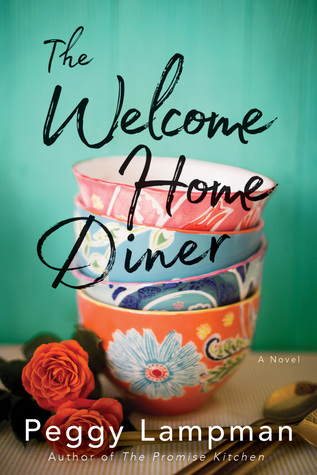
The Welcome Home Dinner is a contemporary woman’s fiction novel written about Addie and Samantha. These two women start a business in the culinary field. They buy and renovate a building in a very unsuitable town. Angus comes along like a rock and stands in front of this concept and idea. He has concerns over this business idea and has no fret expressing them. Many other factors increase pressure on these two friends. Addie and Samantha’s relationship begin to tumble. Their friendship, their business, and love interests all become things they have to resolve.
In the beginning, I thought the story wasn’t going to grab my interest. However, as I read along, things got much more interesting. I think it was the pace that may have contributed to the initial feelings.
The story was very well written, and the friendship between the two women was beautifully described. As I read more, I felt that the story had a much deeper meaning to it and think, that’s what made this book stand out.
The format of storytelling swapped narratives between the two friends and cousins. The time frame of the whole thing runs in a year. I enjoyed the fact that that plot revolved around. Being accepted by a society that is not receptive. How many times have we tried to start fresh and found it hard to be accepted?
The book also discusses sensitive matters such as race, human trafficking, and other issues.
I recommend this book to people that enjoy reading fiction and contemporary romance.
Written by Jeyran Main
If you would like a book review click here
Lockheed Elite by Tyler Wandschneider (Book Review #323)


Anders and his crew are an interesting bunch. Each casting crew has been developed with precision. Their personalities are strong and are written in such a way that it is very easy to get attached to them.
The literature is written with care, and any person who enjoys sci-fi novels will thoroughly find this novel to be appealing. The plot is a combination of action, humor, adventure, and a mixture of secrets, gadgets, theft and interconnected twists.
The pace and world setting begins slow and then gradually picks up making it a thrilling ride to the end. Although I predicted the ending, it was still as satisfying and pleasing to read.
Written by Jeyran Main
If you would like a book review click here


 Review Tales