
Review Tales
Trusted Reviews and Author Features Since 2016
Stoneslayer: Book One – Scandal by Candace Lynn Talmadge (Book Review #2038)

Stoneslayer: Book One – Scandal is a captivating paranormal fiction novel that blends ancient mysteries, political intrigue, and extraordinary female power. Set in a richly imagined world filled with historical layers and fantastical elements, the book introduces Lieutenant Helen Andros, a fierce and complex character whose journey unfolds against a backdrop of power struggles, family secrets, and otherworldly dangers.
Read MoreRescue Run by John Winn Miller (Book Review #2037)

In Rescue Run, John Winn Miller crafts an electrifying and action-packed sequel to The Hunt for the Peggy C, plunging readers into the heart of World War II as Capt. Jake Rogers embarks on a perilous mission across Nazi-occupied Europe. Combining historical depth with heart-pounding suspense, this thriller takes the reader on a gripping journey of survival, resistance, and betrayal.
Read MoreNeon Ziggurat by Angie Lofthouse (Book Review #2036)
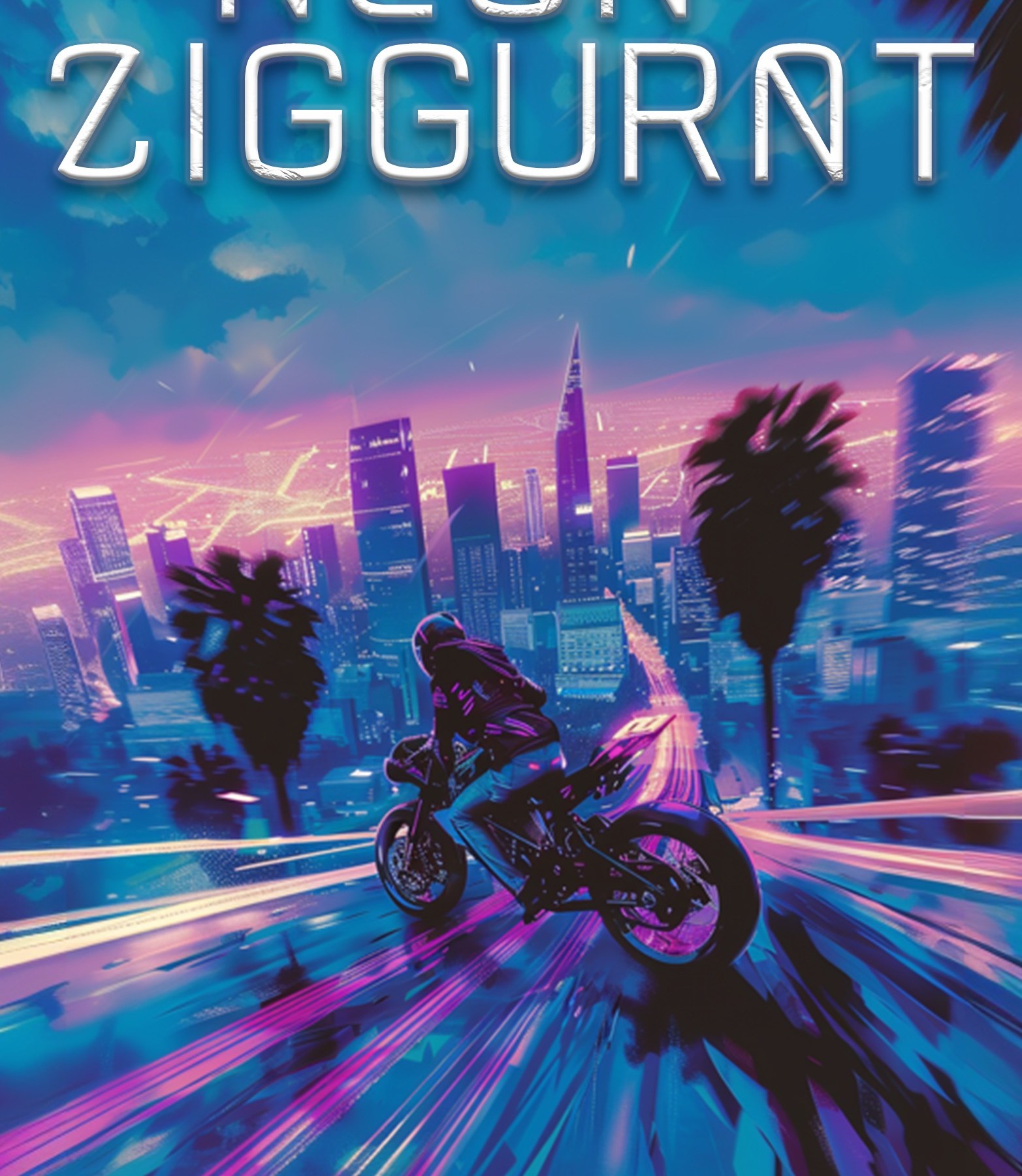
Neon Ziggurat by Angie Lofthouse is a fast-paced, gripping tale that mixes cyberpunk intrigue with high-stakes action, taking readers deep into the heart of a corrupt mega-corporation and a city built on greed, despair, and betrayal. With a strong-willed protagonist and a world brimming with tension, this novel hooks readers from the first page and doesn’t let go.
Read MorePetals of My Heart by Hawa Who (Book Review #2035)

In Petals of My Heart, Hawa Who offers a poignant and intimate exploration of the human heart’s journey through love, loss, healing, and self-discovery. This collection of poetry is not just a reflection on emotions; it is an invitation to explore the multifaceted nature of existence, self-acceptance, and the lessons carried by each experience.
Read MoreEmbracing Vulnerability: My Journey as an Author by Hawa Who

Becoming an author is more than writing—it’s about embracing vulnerability and connecting with readers through authentic storytelling. When I began writing Petals of My Heart, I knew it would be deeply personal. The themes of love, loss, and self-discovery are drawn from my own life, and writing became an act of self-reflection and courage.
Read MoreIstanbul Crossing by Timothy Jay Smith (Book Review #2034)

Istanbul Crossing is a gripping and thought-provoking literary thriller by Timothy Jay Smith, which tells the story of Ahdaf, a gay Syrian refugee whose life is caught in a deadly web of politics, love, and survival. Ahdaf flees Syria after witnessing the brutal execution of his cousin by ISIS for being homosexual. Seeking safety, he finds himself in Istanbul, where he earns a living by smuggling refugees across dangerous routes to Greece. However, his past reputation as a people smuggler puts him in constant danger, and the threat of discovery looms over him, especially since ISIS would kill him if they found out about his sexuality.
Read MorePatience by Mike Kizzar (Book Review #2033)
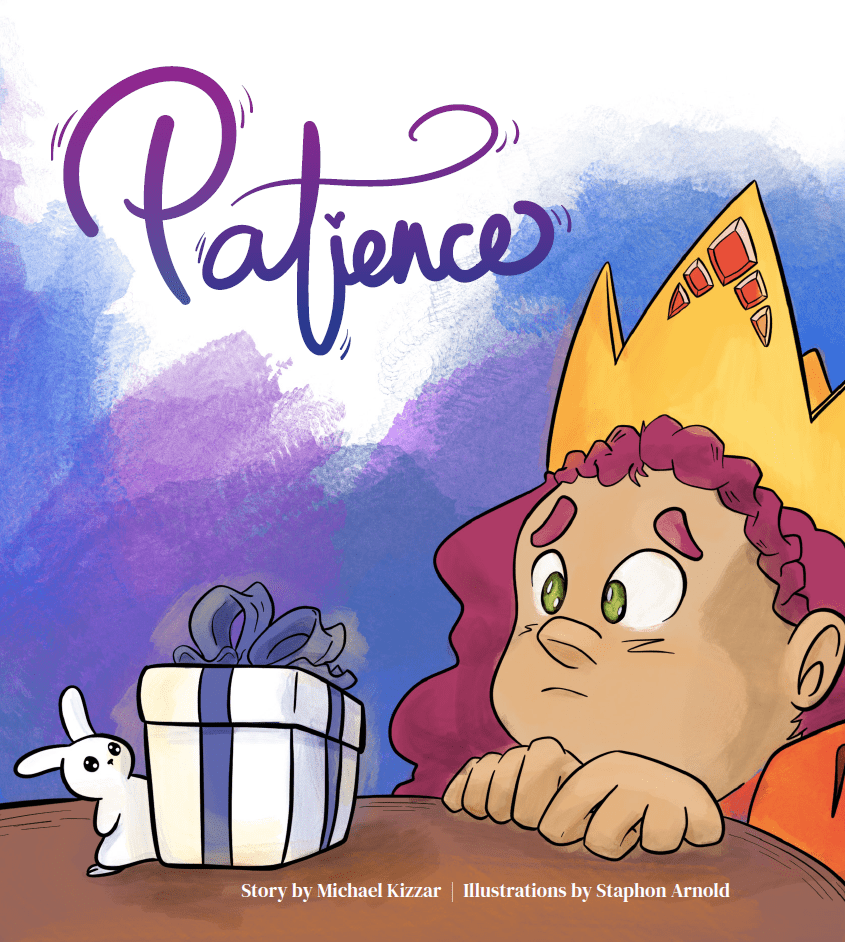
Patience by Mike Kizzar is a delightful children’s story that teaches a valuable life lesson through an enchanting narrative. The story centers around a young princess who struggles with impatience, always wanting things right away. She cannot wait to open presents, eat food, or even experience surprises, causing concern for her father, the king. In his efforts to help her, he calls upon a wise sorceress who gives him a magical gift for the princess. The sorceress explains that the princess must wait three full days before opening it, and only then will she discover its true magic.
Read MoreThe Tale of the Young Witch by Joseph Minart and Davon Custis (Book Review #2032)

The Tale of the Young Witch by Joseph Minart and Davon Custis takes readers into a world where the magic of witchcraft, long believed to be a thing of the past, is resurrected and woven into the fabric of the present. This compelling fantasy novel not only captures the imagination but also explores themes of destiny, power, and the struggles that come with discovering one’s place in the world.
Read MoreGo and Preach No More: A Legacy Abandoned, My Life Reclaimed by Wm Raff (Book Review #2031)

Go and Preach No More: A Legacy Abandoned, My Life Reclaimed by Wm Raff is an insightful memoir that takes readers on a journey through the struggles, disillusionments, and ultimate liberation of a man raised in the strict, Pentecostal-influenced New Apostolic Church. Raff’s story is one of questioning faith, confronting deep-rooted traditions, and ultimately reclaiming his own identity outside the rigid structures of his upbringing.
Read More


