
Review Tales
Trusted Reviews and Author Features Since 2016
About my book by Marc Rosenberg

I think authors are often asked where they get their ideas. It’s a good question. KYD’S GAME is an espionage thriller dealing with Russia’s complicity in a chemical attack in Syria (2017). I had seen a news video of a man and his young son who were hopelessly struggling to outrun the effects. It had a strong emotional impact on me. Evidence that the Russians were complicit is documented. I later read Bill Browder’s book “Red Notice”, which clearly illustrates the corruption and cruelty of Putin’s regime. Putting these influences together with my love of le Carre’s books pushed me forward.
Read MoreHappy New Year 2025!

Happy New Year 2025! 🎉
As we welcome another exciting year, I want to take a moment to thank you—our incredible community of authors, writers, publishers, and book lovers—for making 2024 such a fantastic year.
Read MoreTag, you’re it! What bookstores should learn from fanfiction by Strange Seawolf

A few years ago, publishers discovered tropes, and as someone who writes both fanfiction and original works (and who doesn’t agree that the first is somehow “lesser” than the second, but that’s a topic for another day), I am always stumped how little of their true potential is used by bookstores.
Read MoreWords of Wisdom by Rathan Krueger
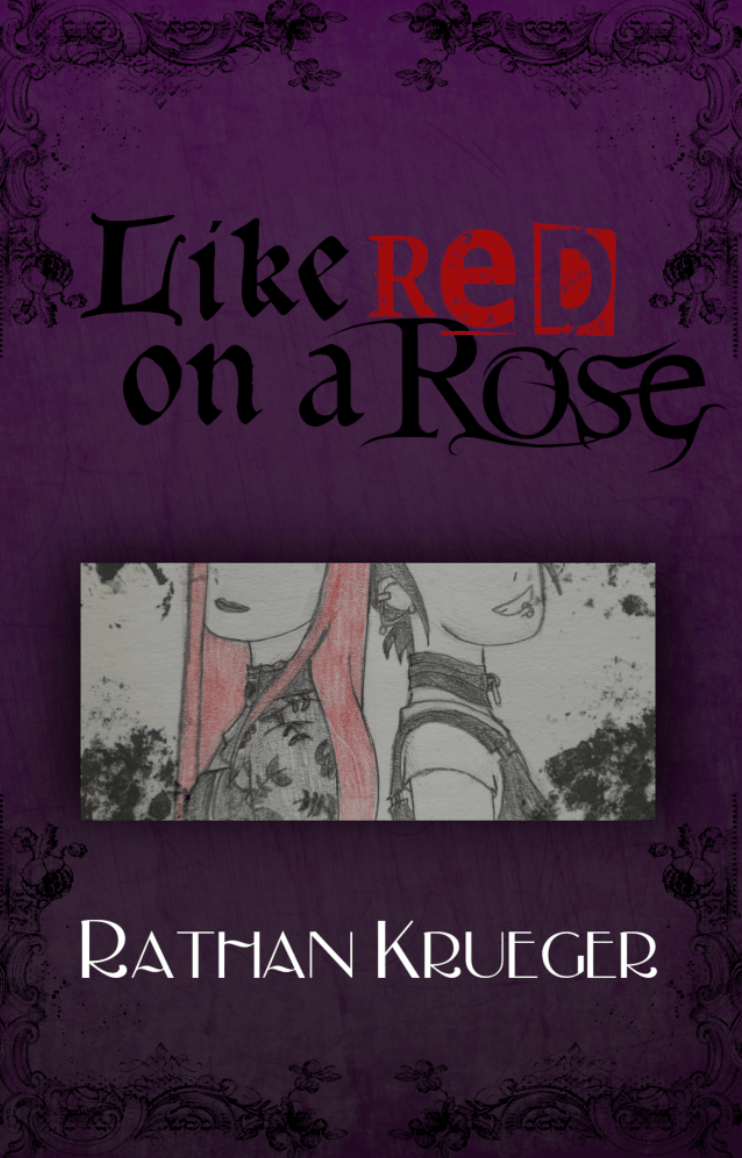
It’s annoying when someone beats you with their pop culture “expertise”, isn’t it? We get it; they’ve read “The Silmarillion”. A lot. However, you shouldn’t let that overzealous author with the Quenya pen name deter you from enjoying pop culture references in literature. They’re succinct ways for the author to connect to you, and for you to connect to other readers. Historians appreciate them, too.
Read MoreThe Impetus of GRAPHIC NATURE by Daniel Damiano

After my first novel was published, there was a certain degree of satisfaction in both having completed a pretty sizable work and also being able to share it with the general public. However, upon completing it, I did not assume I’d have another idea with which to create a second novel with any expedience. Perhaps I was even content with having written a sole novel, having spent the majority of my career as a Playwright and Actor. But within a few months, I realized that an older play of mine would actually lend itself nicely to the novel form. The play and the novel it would soon become is called Graphic Nature.
Read MoreOn Wahoo Reef by Tim W. Jackson (Book Review #1931)

“On Wahoo Reef” by Tim W. Jackson is a delightful blend of humor and adventure that has been aptly described as “Northern Exposure meets Margaritaville.” This comic Caribbean romp follows Wally Breight, a disillusioned P.R. executive who dreams of escaping his mundane life for the idyllic shores of the Caribbean.
Read MoreEnd Man by Alex Austin (Book Review #1930)

**End Man** by Alex Austin is a riveting techno-thriller that delves into the dark intersections of artificial intelligence, digital immortality, and corporate greed. The protagonist, Raphael Lennon, is a man confined both physically and psychologically. Suffering from dromophobia and the fear of crossing streets, Raphael’s world is restricted to a square-mile area around his home. His job at Norval, a company that hoards and sells the digital remnants of the deceased, offers a grim reflection of his isolated life. Raphael’s task is to track down “possums”—individuals who have faked their deaths.
Read MoreThe 13th Edition of Review Tales Is Here – Winter’s Finest Reads Await You!

Dear Readers,
I’m thrilled to announce that the 13th edition of Review Tales is now available for purchase! This winter edition is packed with an exceptional collection of:
Read MoreBeyond Beliefs: The Incredible True Story of a German Refugee, an Indian Migrant and the Families Left Behind by Sohail Husain (Book Review #1929)
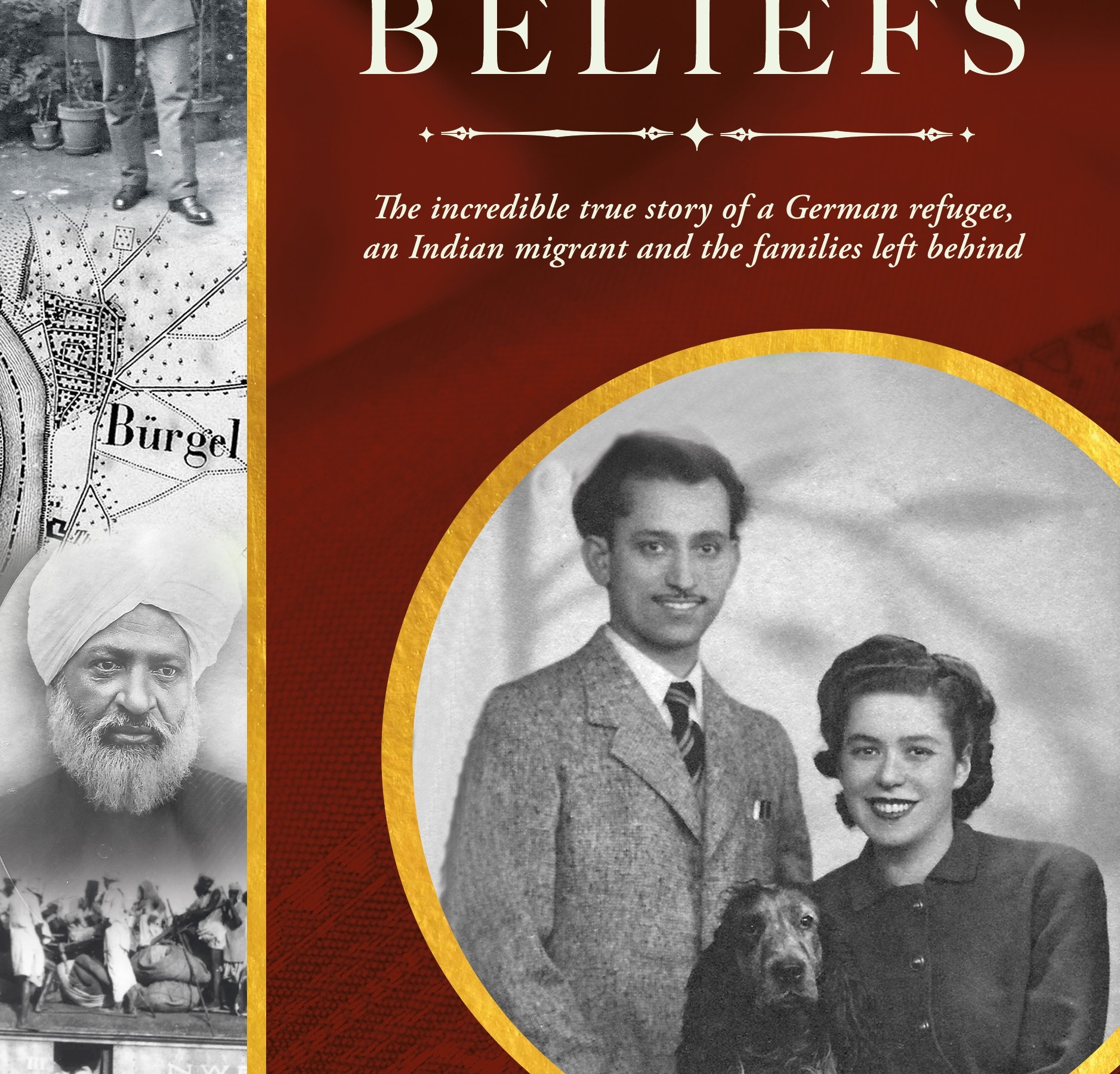
Beyond Beliefs: The Incredible True Story of a German Refugee, an Indian Migrant and the Families Left Behind** by Sohail Husain is an epic memoir that weaves a rich tapestry of love, loss, and resilience against the backdrop of some of the 20th century’s most momentous events. The narrative primarily chronicles the lives of Sohail Husain’s parents and grandparents, whose stories intersect with World War I, the Great Depression, the Partition of India, and the Holocaust. Through evocative prose, Husain also recounts his own remarkable journey to uncover their histories.
Read More


 Review Tales