
Review Tales
Trusted Reviews and Author Features Since 2016
How I Use and Don’t Use AI @bfgalligan

We’ve been on the road to machine learning for a very long time, with an almost imperceptibly graded ramp for human learning. In practice, this meant there have always been Luddites and naysayers as any new technology entered the world in such a way to upend old practices. I’m no historian on this, so I won’t fret about the citations, but I do have a good example. I can recall back when home PCs were still nascent, and spell check was barely more than a rumor. Teachers would warn us against using such tools since they meant students would avoid the need to test their knowledge of word structure through trial and error. Then, this sentiment faded almost as fast as it arrived, perhaps when teachers themselves realized how efficient it made everything.
That’s really the issue: efficiency. Technology has been driven by the inherent laziness of humans coupled with our unmatched capacity to overwrought the process of creating a shortcut; each layer adds on a period of learning before it is accepted. So like with machine intelligence. It is nascent, barely a rumor, but already we are realizing how unimaginably efficient it can be for all things. So it is as unexpectedly unacceptable as the word processing software I am using to write this very sentence once was.
The intersection here really strikes the core of what art is, specifically writing. To test this, I contemplated writing this article by hand, with pencil and paper. That didn’t last long when I recalled my past experience of spending so much time trying to decipher my own penmanship, which is a ridiculous sequence of squiggles that purportedly hold meaning. So, I typed it out because it is efficient. The words are mostly the same, with some margin of difference given the tactile relationship I have with the different methods that usually impact sentence length. And in this choice, it becomes clear to me what writing means. It is my tactile expression, where I sometimes choose to feel the rap of keys as they sound out a melody to frame my internal narrative or the silky silence of a pen swiping loops of letters on paper.
The efficiencies of machine intelligence avoid that experience, which, for me, is a nonstarter. My work is performance art for myself alone, and by happenstance, I am left with a durable product at the end. For about two decades, I kept those products for myself and never shared them. Recently, though, I decided to release them. Within that growing library is a series that delves into machine intelligence and I decided that it should be written in such a way that no machine could reproduce at this current state of the technology. For me, this meant to embellish the humanness of small details, which translates to a series that moves slowly and builds layers of emotional growth for the protagonist. It is a repudiation of the efficiencies of machine intelligence by focusing on the human process of writing that is my only motivator.
Then, I had books sitting on a website that didn’t move. Since I am generally a very impatient and obtuse person, I chose to self-publish. This means I have no marketing team to push my library out to the world. Instead, it is up to me to navigate the absurdly oversaturated marketplace where the only way to get noticed seems to require spammy behavior, which is repugnant to me. What to do?
Well, I am a writer of sorts. My day job is not in marketing or communications, and I am remarkably bad with social media. I’ve tried my hand at it for months, and all I have for followers are catfish accounts and other authors who are just as hungry for readers as I am but similarly have no time to read anyone else’s work. I clearly need help.
A few days ago, I began my dalliance with machine intelligence for the purpose of mitigating my marketing ineptitude. I am impressed. I fed in some passages of my books and began asking for recommended social media strategies, along with suggested posts. Most were contrite, but there were kernels in there that I had no ability to create myself. I mean, I can write something long-form and dull but not an interesting quip that captures my work.
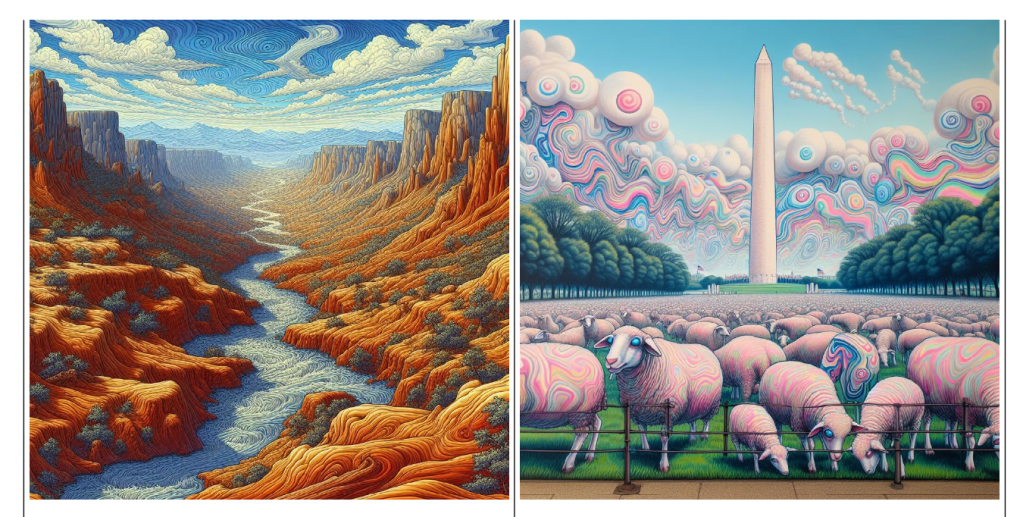
I also fed in descriptions of scenes to see what images would be produced. Again, impressed. The most surprising experience was that of confirmation bias when the tool was spot on with how I saw the image in my head. Below are some examples.

Tubes of light emanating from the sun are described in Pervigilium, Chapter 5

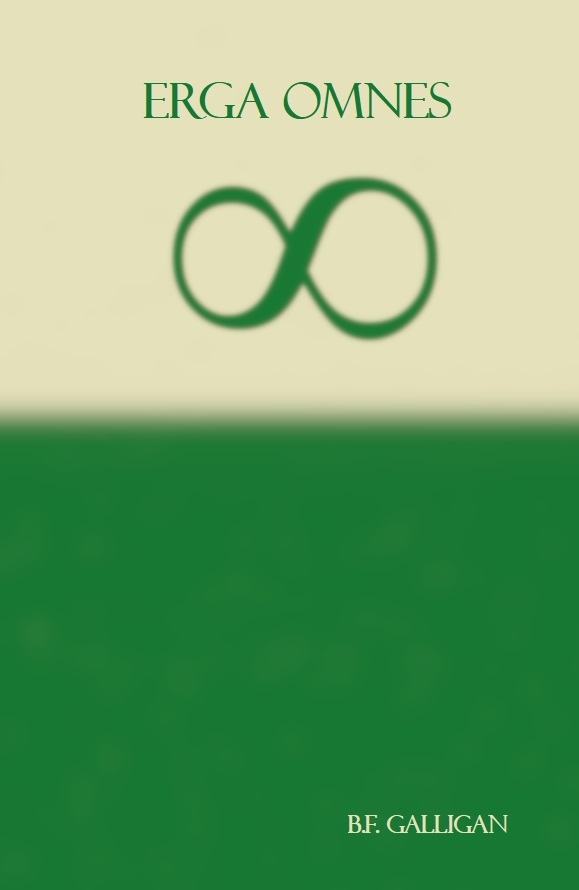
Internment camp for Erga Omnes
So now I’ve learned a bit more about the efficiencies of machine intelligence, but have not yet been convinced to use it for the actual writing process since that remains an exclusively private experience—oh
yeah, I forgot to mention that I use a pen name. This is my “why.” Machine intelligence doesn’t threaten that; it’s just totally unrelated, and that’s fine. Human learning will continue for us all, and we must each find our comfort level moving forward. For me, it’s to use this incredible technology as a crutch when I am unable to hire a team of professionals. And that’s where it ends.

Discover more from Review Tales
Subscribe to get the latest posts sent to your email.
2 Comments on “How I Use and Don’t Use AI @bfgalligan”
Leave a comment


 Review Tales
That’s a neat idea to see what images would be produced using scenes from your books. The image of the Washington monument with sheep, and those swirly clouds is really wild!
LikeLiked by 1 person
Thank you for commenting. I agree as well.
LikeLiked by 1 person