
Review Tales
Trusted Reviews and Author Features Since 2016
Refusing Disappearance: On Becoming Unladylike by Regina Louise

In Unladylike: A Mythopoetic Reclamation of Love, I am exploring the deeper intention behind why I write—specifically, how poetry becomes a set of coordinates that leads us back to ourselves.
Read MoreWood, Electric, & Grass: Learning from a Kid by Barrie Cole

I’ve been thinking about Pokemon recently because I live in Chicago and there is a Pokemon exhibit in town at the Field Museum. Certain Pokemon fans I know are excited about it. The Pokemon exhibit highlights the history and origin of Pokemon and places it within an educational framework. The idea is to draw similarities between Pokemon and fossils. Pokemon hunting is presented as its own archeological act of seeking, discovering, and cataloging.
Read MoreThe Last Movement by Robert Seethaler (Book Review #2394)
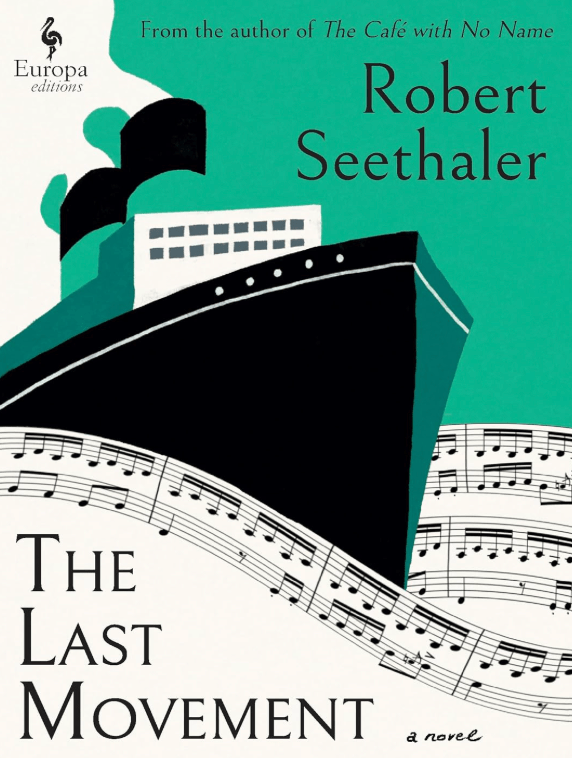
The Last Movement by Robert Seethaler is a beautifully crafted and deeply introspective novel that imagines the final months of composer Gustav Mahler’s life with remarkable sensitivity and grace. Translated by Charlotte Collins, this slim yet emotionally resonant work offers readers an intimate portrait of a man confronting mortality while reflecting on the triumphs, disappointments, and complexities that have shaped his existence.
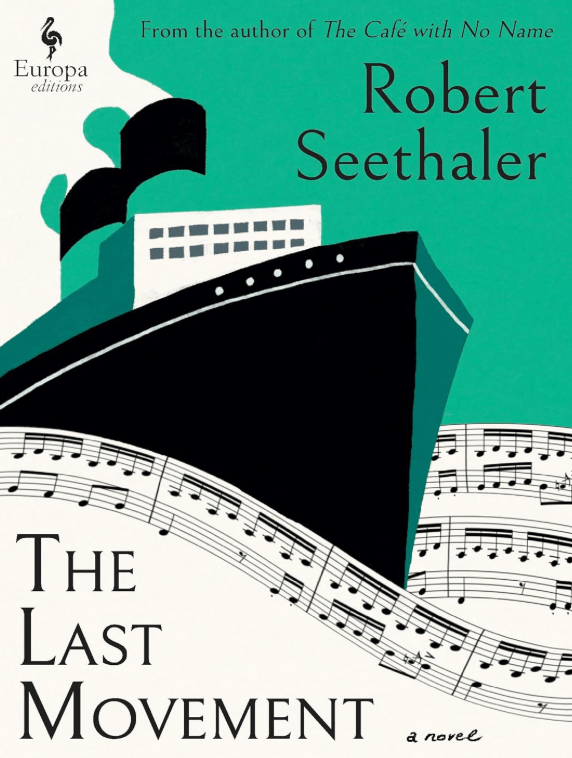
Set in 1911 as Mahler journeys across the Atlantic aboard the Amerika, the novel unfolds largely through memories and reflections. Seethaler masterfully captures the inner world of a celebrated artist whose physical strength is fading even as his mind remains consumed by music, love, and regret. The narrative moves fluidly between past and present, creating a contemplative atmosphere that mirrors the rhythms of memory itself.
Enjoying this article?
Stay connected with the Review Tales literary community and receive new articles, magazine releases, and exclusive updates.
No spam. Only literary
One of the novel’s greatest strengths is its portrayal of Mahler’s troubled relationship with his wife, Alma. Her affair with the young architect Walter Gropius casts a shadow over Mahler’s final days, adding a layer of emotional vulnerability to a man often viewed through the lens of genius. Rather than presenting him as an untouchable cultural icon, Seethaler reveals a deeply human figure capable of insecurity, longing, and heartbreak.
The prose is elegant and restrained, allowing profound emotions to emerge without sentimentality. Seethaler’s concise style gives the novel an almost musical quality, with each scene contributing to a larger meditation on art, love, and the inevitability of death. Readers familiar with Mahler’s life will appreciate the historical details, while those new to his story will find an accessible and moving introduction.
The Last Movement is a thoughtful and poignant novel that explores what remains when achievement, reputation, and ambition fade away. It is a quiet yet powerful tribute to creativity, memory, and the enduring search for meaning at the end of life.
Written by Jeyran Main
Enjoying this article?
Stay connected with the Review Tales literary community and receive new articles, magazine releases, and exclusive updates.
No spam. Only literary
Your Best Year Yet: Weekly Personal Growth Challenges to Unlock Your Best SelfBy Linda Kneidinger (Book Review #2393)

Your Best Year Yet by Linda Kneidinger is a structured personal development guide designed around 52 weekly challenges intended to support gradual, sustainable self-improvement over the course of a year. The book focuses on helping readers move out of stagnation and into intentional living through small, consistent actions.
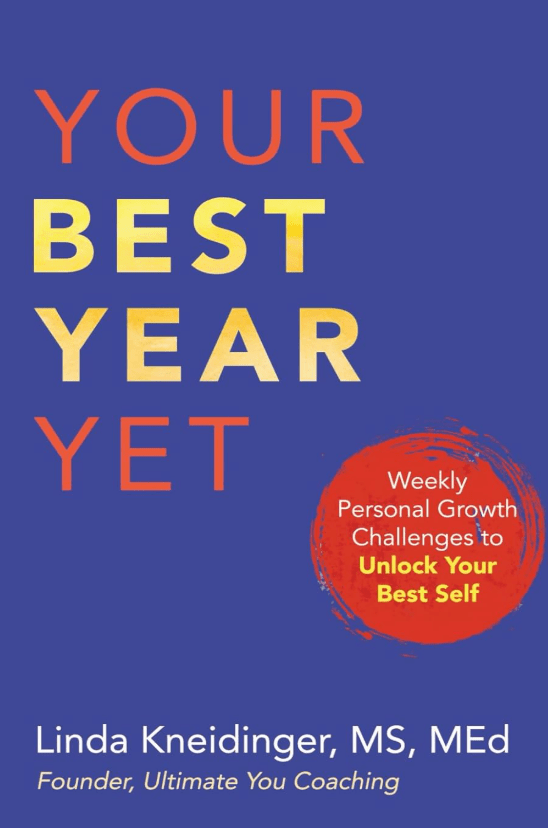
At its core, the book is built on the idea that meaningful change does not require dramatic transformation, but rather steady, repeatable habits that accumulate over time. Each weekly challenge is designed to be simple enough to implement immediately while still encouraging reflection and behavioral change. This approach makes the book accessible to readers at different stages of personal growth.
Enjoying this article?
Stay connected with the Review Tales literary community and receive new articles, magazine releases, and exclusive updates.
No spam. Only literary
The content draws on principles from psychology, neuroscience, and behavioral development, translating these ideas into practical exercises. Rather than remaining theoretical, the book emphasizes application, encouraging readers to actively engage with each concept in their daily lives. This creates a hands-on experience where learning is reinforced through action.
A key strength of the book is its pacing. By limiting focus to one challenge per week, it avoids overwhelming the reader and instead fosters consistency. This structure also allows space for reflection, adaptation, and integration of new habits, which can improve long-term retention and impact.
The tone of the book is motivational and supportive, aiming to guide rather than instruct in a rigid way. It encourages readers to identify limiting patterns, experiment with new behaviors, and build momentum through small but meaningful wins. The emphasis on intentional living runs throughout, reinforcing the idea that personal growth is an ongoing process rather than a fixed destination.
Your Best Year Yet is well-suited for readers seeking a practical, structured approach to self-improvement. It will appeal to those who prefer guided exercises and incremental progress over abstract theory, offering a clear framework for building habits, improving mindset, and creating a more purposeful daily life.
Written by Jeyran Main
Enjoying this article?
Stay connected with the Review Tales literary community and receive new articles, magazine releases, and exclusive updates.
No spam. Only literary
T.V. Holiday’s Vendetta By T.V. Holiday (Book Review #2392)

Vendetta: Legend of The Iron Warrior Vol. 3 continues the dark superhero saga of Travis Holiday, a fractured hero returning from exile into a world that no longer trusts him. Set in the war-torn Carnage Coast, the novel blends supernatural action with psychological conflict, focusing as much on internal struggle as external battles.

At the center of the story is Travis Holiday’s return to his identity as the Iron Warrior, a figure positioned as humanity’s final line of defense against encroaching darkness. However, his homecoming is far from triumphant. Instead of redemption, he is met with suspicion, betrayal, and a growing sense that the legacy he once carried has been corrupted or misunderstood.
Enjoying this article?
Stay connected with the Review Tales literary community and receive new articles, magazine releases, and exclusive updates.
No spam. Only literary
A key narrative strength of this installment is its focus on personal antagonism. Candace Loveless, the new primary adversary, is not simply a physical threat but an intellectual and emotional one, targeting Travis’s history, secrets, and psychological vulnerabilities. This shifts the conflict from external warfare to a more intimate dismantling of identity, forcing the protagonist to confront who he is beneath his symbolic armor.
The novel also explores themes of reputation, trust, and fractured alliances. As Travis’s past is exposed and questioned, his relationships begin to erode, leaving him isolated and uncertain. This erosion of trust becomes one of the story’s most compelling elements, adding weight to the action-driven plot and grounding the supernatural elements in emotional realism.
The tone is dark and cinematic, with a strong emphasis on atmosphere and moral ambiguity. The superhero framework is used not just for spectacle, but as a lens through which themes of faith, failure, and resilience are examined.
Vendetta will appeal to readers who enjoy gritty superhero fiction with emotional depth, particularly stories where the hero’s greatest battle is not against external enemies, but against the collapse of their own identity and beliefs. It combines action, psychological tension, and mythic undertones into a final confrontation shaped as much by memory as by combat.
Written by Jeyran Main
Enjoying this article?
Stay connected with the Review Tales literary community and receive new articles, magazine releases, and exclusive updates.
No spam. Only literary
Underdog By Anne Joyce (Book Review #2391)

Underdog by Anne Joyce is a tense and emotionally charged novel that explores loyalty, moral conflict, and the consequences of desperation. At its core, the story examines what happens when family ties collide with ethical boundaries, and how far a person can be pushed before choosing between blood and conscience.

The narrative follows Travis, a man who, after losing his job and facing financial instability, is drawn into his brother Ethan’s illicit business. What begins as reluctant assistance quickly escalates into a far darker world involving illegal dog fighting. This setting becomes the backdrop for a broader moral struggle as Travis is forced to confront the reality of the violence he is enabling.
Enjoying this article?
Stay connected with the Review Tales literary community and receive new articles, magazine releases, and exclusive updates.
No spam. Only literary
One of the novel’s central strengths is its exploration of internal conflict. Travis is not portrayed as purely heroic or villainous, but as someone caught between loyalty to his brother and an emerging sense of responsibility toward the animals he begins to care for. This tension drives much of the emotional weight of the story and keeps the reader engaged in his gradual transformation.
The introduction of performance-enhancing drugs for the animals intensifies both the ethical stakes and the psychological deterioration of the characters involved. As the consequences of these decisions begin to surface, the narrative shifts into a study of escalation, guilt, and unintended outcomes, showing how quick fixes and ambition can spiral into irreversible harm.
Anne Joyce’s writing emphasizes the harsh realities of the environment she portrays while maintaining a focus on character psychology. The story is structured to highlight the slow unraveling of justification as Travis becomes increasingly aware of the cost of his choices.
Underdog is a dark and emotionally challenging novel that blends crime fiction with moral drama. It will appeal to readers who are interested in stories about ethical struggle, family loyalty under pressure, and the consequences of crossing moral lines in desperate circumstances.
Written by Jeyran Main
Enjoying this article?
Stay connected with the Review Tales literary community and receive new articles, magazine releases, and exclusive updates.
No spam. Only literary
This Book Found You Because Your Soul Whispered By Beronica Parham (Book Review #2390)

This Book Found You Because Your Soul Whispered is a reflective and emotionally centered guide to healing, designed for readers navigating emotional pain, self-disconnection, or long-standing survival patterns. Beronica Parham approaches healing not as a problem to be fixed, but as a process of remembering wholeness that already exists beneath layers of experience and conditioning.

The book is framed around the idea of intuitive timing—that readers arrive at it not by chance, but through an inner readiness to begin or deepen a healing journey. This framing sets a gentle tone that runs throughout the work, emphasizing compassion, patience, and self-trust rather than urgency or rigid structure.
Enjoying this article?
Stay connected with the Review Tales literary community and receive new articles, magazine releases, and exclusive updates.
No spam. Only literary
A key strength of the book is its holistic perspective on emotional healing. It explores how trauma and survival responses can shape identity, behavior, and emotional regulation, while also highlighting the role of the body in storing and expressing unprocessed experiences. This mind-body connection is presented as central to understanding personal patterns and beginning the process of release.
Parham also places strong emphasis on self-compassion as a transformative force. Rather than encouraging self-correction or self-criticism, the book invites readers to soften toward themselves, suggesting that shame and resistance often diminish when met with understanding rather than judgment. This approach supports a gradual unfolding of emotional awareness and acceptance.
The writing is gentle, reflective, and affirming in tone. It avoids strict step-by-step frameworks, instead offering thematic guidance that allows readers to engage at their own pace. This makes the book especially suited for those who prefer introspective reading experiences rather than structured therapeutic programs.
This Book Found You Because Your Soul Whispered is centered on reconnection—with self, with emotion, and with a sense of inner wholeness. It encourages readers to view healing as a return rather than an achievement, and to trust the unfolding of their own process without pressure or comparison.
It will resonate with readers seeking emotional grounding, inner work, and a compassionate perspective on personal transformation.
Written by Jeyran Main
Enjoying this article?
Stay connected with the Review Tales literary community and receive new articles, magazine releases, and exclusive updates.
No spam. Only literary
THINK LEAD REPEAT By London Porter (Book Review #2389)
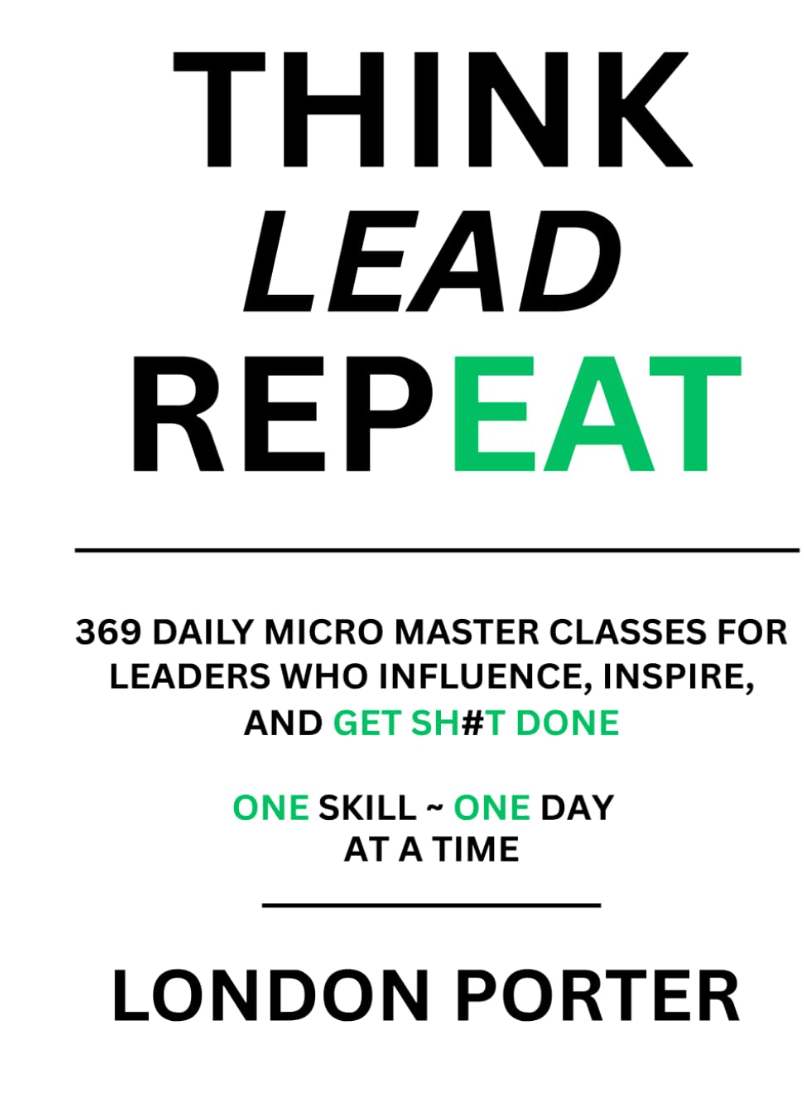
THINK LEAD REPEAT is a structured leadership development guide designed as a year-long series of short, daily lessons aimed at strengthening influence, communication, and execution in modern professional environments. London Porter presents the material in a micro-learning format, making it accessible for busy leaders who prefer consistent, incremental growth over long-form study.
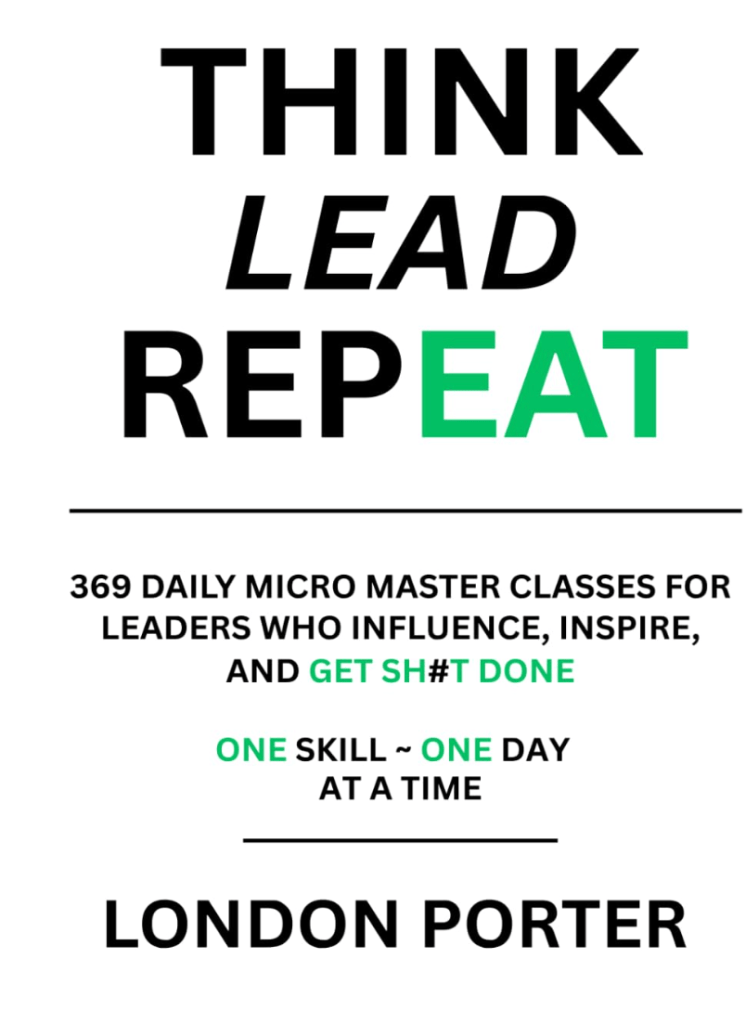
The book is built around the idea that leadership is not defined by occasional breakthroughs but by daily habits of thought and action. Each of the 369 entries offers a concise reflection paired with practical guidance, encouraging readers to integrate leadership principles into real-world decisions, conversations, and challenges.
Enjoying this article?
Stay connected with the Review Tales literary community and receive new articles, magazine releases, and exclusive updates.
No spam. Only literary
A central theme throughout the book is the relationship between mindset and impact. Porter emphasizes emotional intelligence, strategic clarity, and communication as core competencies for effective leadership. Rather than focusing solely on authority or hierarchy, the book frames leadership as an active practice of influence—something that is demonstrated through consistency, accountability, and awareness of others.
One of the key strengths of this format is its usability. The short, focused entries make it easy to incorporate the book into daily routines, team meetings, or personal reflection time. This structure supports ongoing engagement, allowing readers to build leadership capacity gradually while reinforcing key ideas through repetition.
The tone of the book is direct and motivational, often encouraging readers to take ownership of their actions and outcomes. It blends inspiration with practicality, aiming to move readers from reflection into implementation. The emphasis on “thinking sharper, leading stronger, and getting things done” reflects its focus on results-oriented leadership.
THINK LEAD REPEAT is a practical companion for professionals seeking steady, actionable leadership growth. It will appeal to managers, team leaders, entrepreneurs, and anyone looking to develop stronger influence and consistency in their professional and personal leadership style.
Written by Jeyran Main
Enjoying this article?
Stay connected with the Review Tales literary community and receive new articles, magazine releases, and exclusive updates.
No spam. Only literary
The Promise Jar By H. K. Sharma (Book Review #2387)
The Promise Jar is a quiet, lyrical work of magical realism that explores loneliness, renewal, and the slow, delicate emergence of connection in later life. H. K. Sharma tells the story of Nora Calloway, a 52-year-old woman recently retired and uncertain of what comes next, who begins a small, ritualistic exchange with the natural world behind her home.
What begins as a simple act—leaving objects such as buttons, pressed flowers, and handwritten notes at the edge of a forest—gradually becomes something more profound when the forest appears to respond. Over time, Nora’s offerings are answered in kind, suggesting the presence of an unknown being that engages with her through objects rather than words. This exchange forms the foundation of a deeply unusual and tender relationship.
Enjoying this article?
Stay connected with the Review Tales literary community and receive new articles, magazine releases, and exclusive updates.
No spam. Only literary
One of the novel’s most compelling strengths is its patience. Sharma allows the bond between Nora and the unseen forest presence to unfold slowly, emphasizing trust, curiosity, and emotional vulnerability rather than dramatic events. Communication evolves organically from objects to meaning, and eventually to language, reflecting the gradual dismantling of isolation on both sides.
Thematically, the book focuses on companionship without possession. The relationship that develops is not driven by fear, dominance, or dependency, but by mutual recognition and care. This approach gives the story a calm and reflective tone, inviting readers to consider alternative forms of connection that exist outside conventional human relationships.
The forest itself functions as both setting and character, embodying mystery, patience, and responsiveness. Its presence reinforces the novel’s central idea that connection can emerge in unexpected ways when attention and openness are present.
The Promise Jar is a gentle, contemplative novel that blends magical realism with emotional introspection. It will appeal to readers who enjoy quiet, character-driven stories about healing, solitude, and the possibility of connection beyond language.
Written by Jeyran Main
Enjoying this article?
Stay connected with the Review Tales literary community and receive new articles, magazine releases, and exclusive updates.
No spam. Only literary


