
Review Tales
Trusted Reviews and Author Features Since 2016
Something from Nothing: A Historical World Without the History By Marie McCurdy
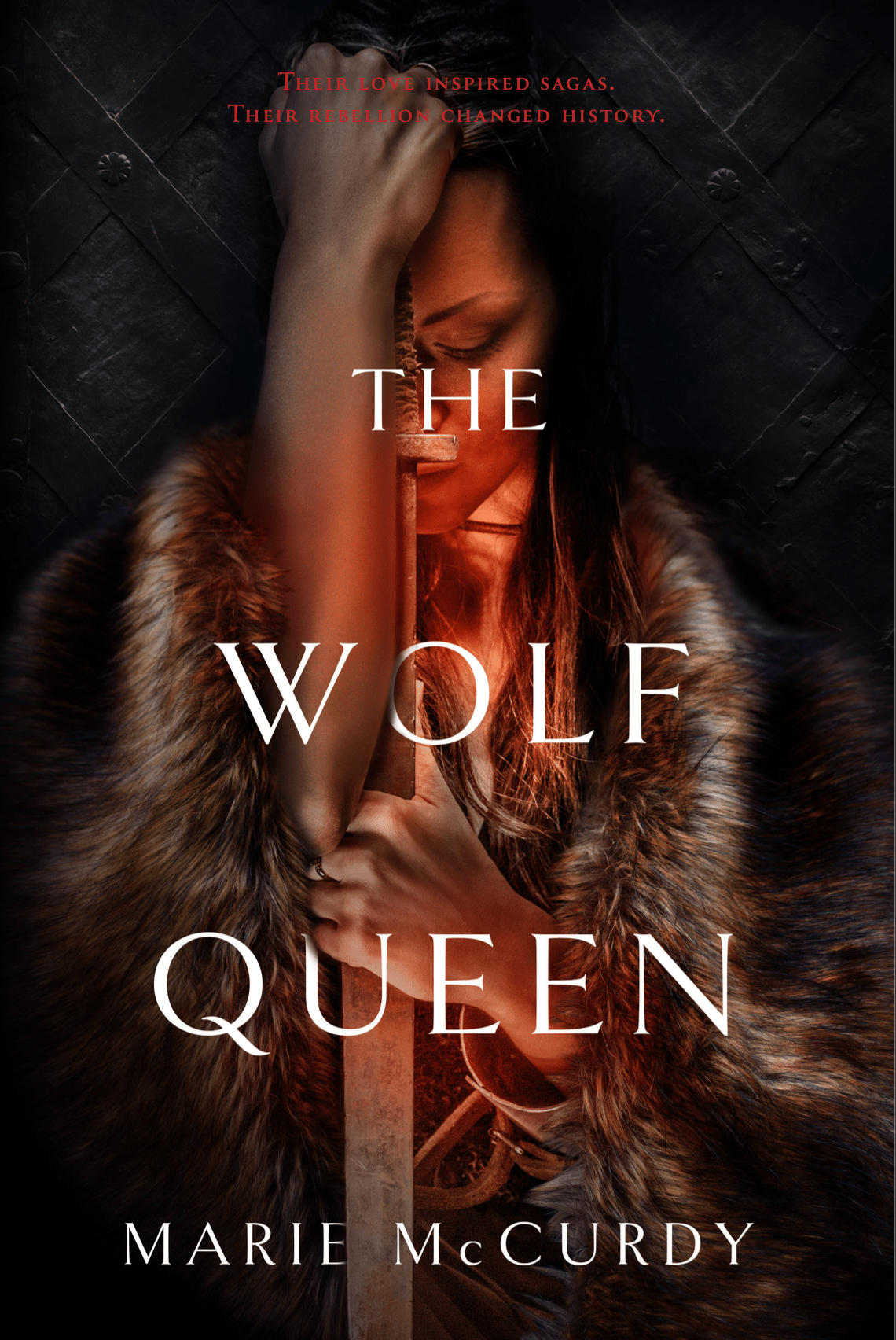
I always feel a pang of envy for historical fiction authors whose chosen setting is a time and place where people kept records.
Thusnelda, my heroine and the real wife of the rebel Arminius is mentioned about four times in the historical record. Total. That was the beginning of the research black hole I faced: early Germans had no written language.
First, I accepted that we don’t know much of anything. Archaeologists can identify a steel sword in a grave, but conclusions about why it’s in that grave are a guess based largely on biased assumptions. We have no idea why people were buried in certain ways with certain items, especially when it comes to cultures that left no written documentation behind.
Next, I evaluated the sources I did have. I read Julius Caesar’s The Gallic Wars to prepare for writing The Wolf Queen. He initially describes the Germanic tribes he encountered in shallow raids across the Rhine as raiders too lazy and violent to bother with farming. In a subsequent section, Caesar describes the extensive agricultural practices he observed across the region. This contradiction comes from the same book written by a man considered an otherwise trustworthy source.
For good or ill, archaeology flowered in the 19th century, when the majority of archaeologists were white Christian men who thought little of their own biases. Despite a preponderance of evidence that women have fought alongside men in battles around the world throughout human history, treating this evidence as a well-formed theory remains controversial.
The final step is building a historical world that works. Lacking a dearth of information about early Germans, I supplemented my research with both contemporaneous cultures (the Gauls and Celts to the west, the Scythians and Sarmatians to the east) and Viking cultures, despite the half-millennia at least between the two worlds.
From there, I used my best judgment to compile all these presumed facts, fair assumptions, and outright falsehoods into a world that was consistent and made logical sense.
Although it’s only three steps, this process proved extensive, and the result was the generation of a logical, believable, and, most importantly, real world.
Discover more from Review Tales
Subscribe to get the latest posts sent to your email.
2 Comments on “Something from Nothing: A Historical World Without the History By Marie McCurdy”
Leave a reply to Brock Meier Cancel reply


 Review Tales
I love this peek behind the curtain, Marie. It so parallels my own journey of writing historical fiction about the Nabataeans—a similarly unarchived people of ancient Arabia. A few contemporary commentators/historians outside the kingdom (Strabo, Diodorus, Josephus) left some clearly biased (and sometimes conflicting) accounts of the Nabataeans. But much of what we know comes from the remnant of their material culture, which is open to a vast spectrum of interpretation. As you mentioned—why were these things buried, what was their true significance, what motivated them? This is truly fertile ground for the growing of rich historical fiction.
LikeLiked by 1 person
Very nicely said. Thank you.
LikeLike