
Review Tales
Trusted Reviews and Author Features Since 2016
The Last Elf Daughter by Jennifer Shand (Book Review #1891)

Jennifer Shand’s “The Last Elf Daughter” is a novel that intricately blends the enchanting world of elves with the relatable challenges of teenage life. At the heart of the story is thirteen-year-old Evie, who not only grapples with the typical trials of adolescence but also carries the monumental responsibility of being the last hope for the survival of the elf people. This dual burden creates a compelling narrative that explores themes of identity, legacy, and personal growth amidst extraordinary circumstances.
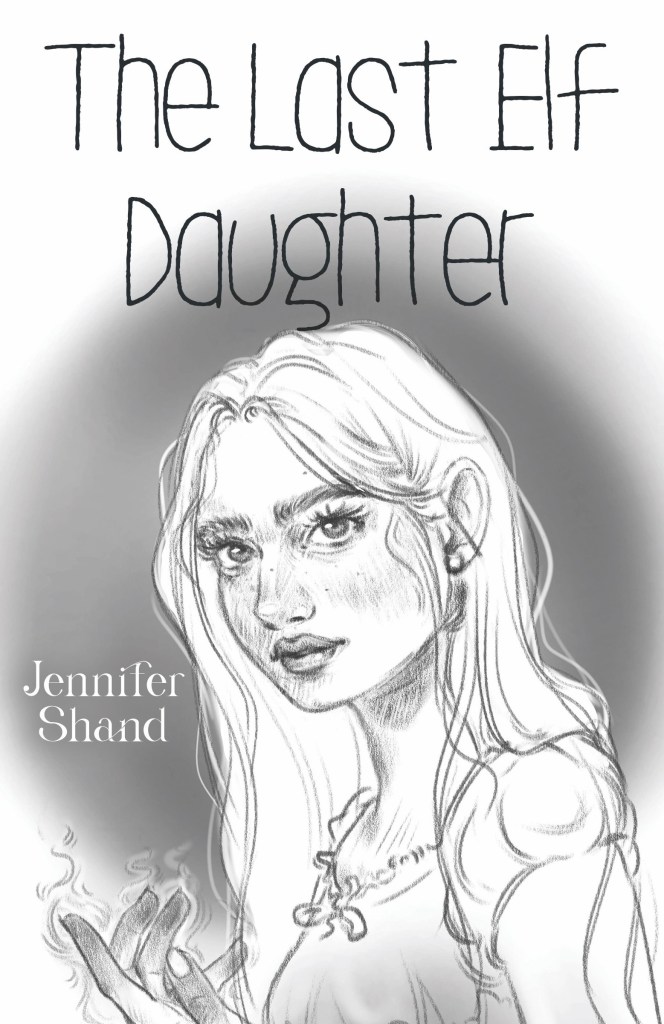
The novel’s strength lies in its ability to portray Evie as a multi-dimensional character. Evie’s journey from discovering her elf heritage to dealing with the existential threat posed by Carter, an embittered elf male, is portrayed with emotional depth and sensitivity. Shand does not shy away from the darker elements of the story, including the societal and familial pressures that weigh heavily on Evie. The exploration of gender dynamics within the elf community—where female elves are crucial for the continuation of the species—adds a layer of complexity to the narrative and prompts readers to think about the implications of such dynamics in their own world.
However, while the premise is intriguing and the character development is strong, the novel also tackles a vast array of subplots and themes that might overwhelm the central story at times. Evie’s experiences with therapy, her body image issues, her first crush, and her unique ability to “ride the wind” are all significant, yet the multitude of issues can dilute the urgency of the main plot about her survival and the future of the elf lineage.
One of the more compelling aspects of the novel is how Shand handles the antagonist, Carter. His transition from a vengeful figure to a remorseful protector is dramatic and offers an opportunity for discussions about redemption and understanding. The resolution with Carter’s character, while hopeful, might feel somewhat rushed and overly optimistic given the severity of his earlier actions.
Shand also effectively uses the fantasy element of the story to address real-world issues like anxiety and the stigma surrounding mental health treatment. Evie’s bravery in confronting her anxieties and her decision to seek help are presented positively, serving as an encouraging message for young readers.
“The Last Elf Daughter” excels in its vivid depiction of a modern fantasy world where magical elements intersect with everyday reality. Shand’s narrative is engaging and will likely appeal to young adults and teens who enjoy fantasy mixed with real-life drama. However, readers might find the narrative more cohesive if it focused more tightly on fewer themes to enhance the overall impact of Evie’s story.
Overall, Jennifer Shand’s novel is a commendable mix of fantasy and real-world challenges that provides not only entertainment but also important reflections on personal growth and resilience. Despite some narrative clutter, “The Last Elf Daughter” is a valuable addition to the young adult fantasy genre, offering a unique perspective on what it means to carry a legacy that is both a gift and a burden.
Written by Jeyran Main
Click here to feature your book in the Review Tales Magazine.
Discover more from Review Tales
Subscribe to get the latest posts sent to your email.


 Review Tales