
Review Tales
Trusted Reviews and Author Features Since 2016
I Should Have Known Better by Larry Lentchner (Book Review #2421)
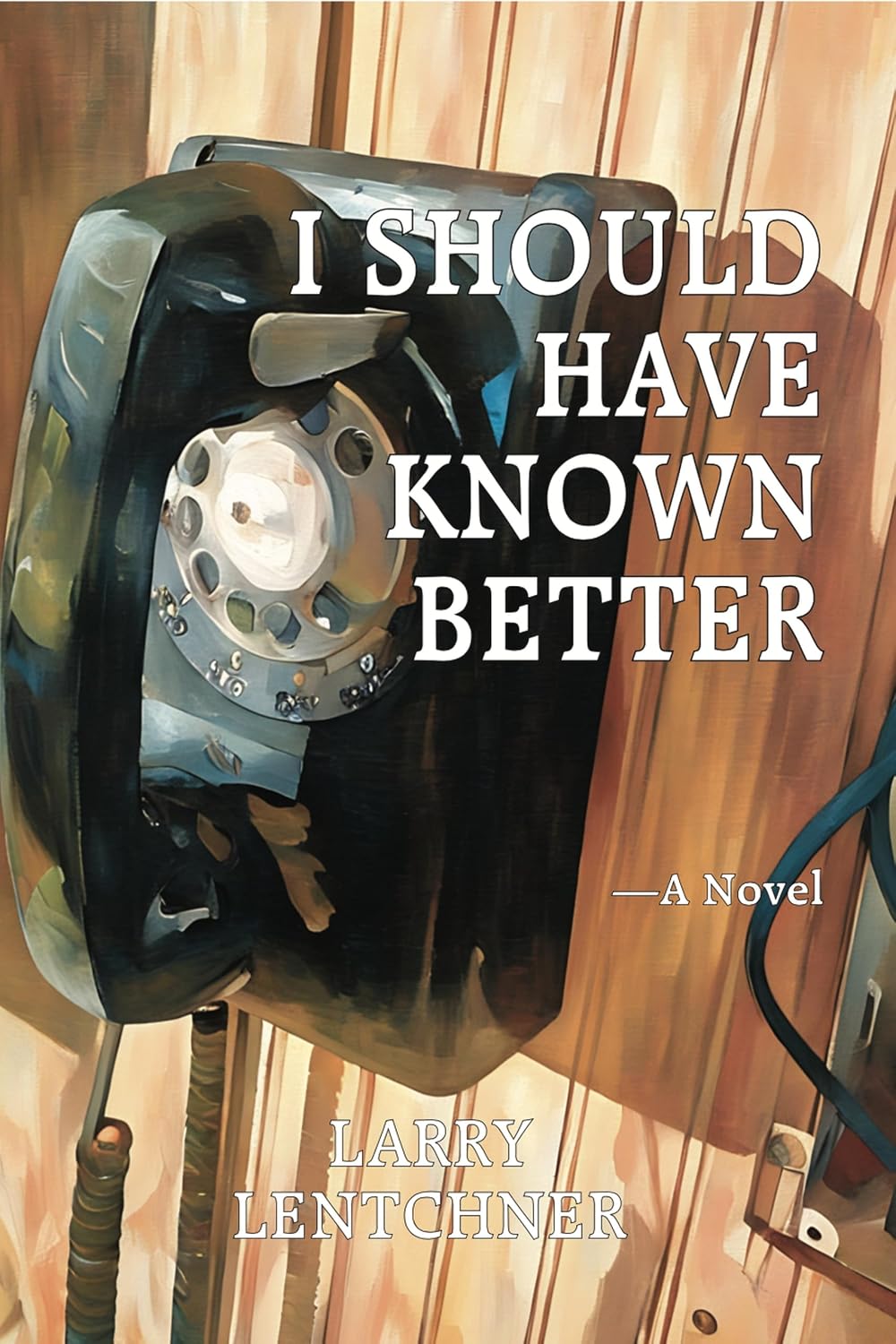
What if you spent your entire life with an internal voice constantly asking whether you had made the right choice? That question sits at the heart of Larry Lentchner’s I Should Have Known Better, a witty and introspective memoir-novel about love, mistakes, ambition, family, addiction, illness, and the complicated business of trying to live a good life.
Phil Green is the kind of protagonist who feels recognizable precisely because he is far from perfect. Over the course of fifty years, he moves through the cultural turbulence of the Sixties, romantic affairs, two marriages, fatherhood, uncertain career choices, alcoholism, and cancer. Through all of it, he continues attempting to determine what the “right” thing is, even when certainty remains frustratingly out of reach.
The concept of the inner inquisitor is particularly effective. Phil does not simply experience his life; he continually examines it. Every decision becomes something to revisit, question, dissect, and sometimes regret. That constant self-cross-examination gives the story its humor, but it also gives the memoir its emotional depth. Regret here is not simply about wishing things had gone differently. It becomes a way of understanding how people learn from the lives they have actually lived.
Phil’s journey also avoids the easy structure of a traditional redemption story. His successes do not erase his failures, and his failures do not cancel out the moments when he gets things right. Instead, the narrative seems interested in the uncomfortable middle ground where most real lives exist: the place where people make mistakes, hurt others, disappoint themselves, recover, and then inevitably make another imperfect decision.
The book’s exploration of relationships is equally central. Love, marriage, fatherhood, and affairs become different ways for Phil to confront questions about connection and compatibility. The idea of “fit” is particularly intriguing because it suggests that some of life’s difficulties cannot simply be solved by trying harder. Sometimes the challenge is understanding what—or who—actually belongs in your life.
Alcoholism and cancer add considerably more weight to the story, preventing its humor from becoming superficial. These experiences introduce vulnerability and mortality into Phil’s ongoing examination of himself, forcing him to confront consequences that cannot simply be intellectualized away.
What makes the premise appealing is the balance between self-deprecating humor and genuine emotional reflection. Phil may be a “functionally dysfunctional” everyman, but his anxieties and contradictions make him relatable rather than distant. Most readers have experienced the feeling of replaying a decision and wondering whether they should have known better.
I Should Have Known Better ultimately embraces an imperfect truth: getting life right may not mean making the right decision every time. It may mean continuing to examine yourself, accepting what cannot be changed, and trying again with whatever understanding experience has given you.
Larry Lentchner’s novel offers a humorous, sometimes painful, and ultimately humane look at the lifelong process of almost getting it right—and recognizing that “almost” may be the most honest description of any human life.
Written by Jeyran Main


