
Review Tales
Trusted Reviews and Author Features Since 2016
Family Centered Parenting: Your Guide for Growing Great Families by Richard C. Horowitz (Book Review #2427)
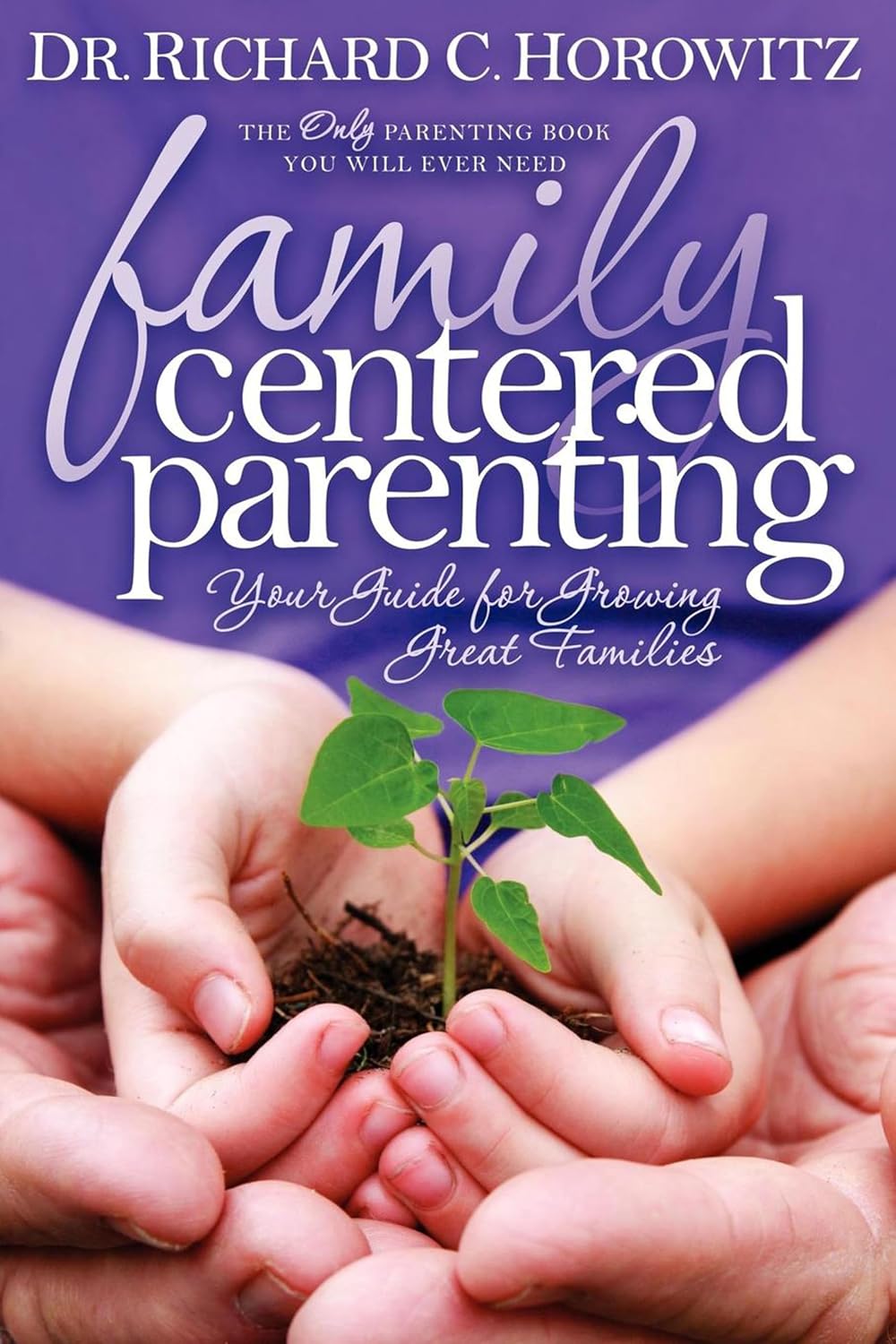
Richard C. Horowitz’s Family Centered Parenting: Your Guide for Growing Great Families approaches parenting as an evolving relationship rather than a rigid formula. Drawing on his experience as a parenting coach and educator, Horowitz recognizes something many parents discover quickly: children do not come with instructions, and learning how to raise them often means navigating uncertainty while drawing on the examples we experienced ourselves.
The book’s central idea is that effective parenting should be grounded in a family’s own values. Rather than prescribing one universal method, Horowitz provides a flexible framework that encourages parents to think carefully about what they want their family life to look like and then develop strategies consistent with those principles. This makes the approach particularly adaptable to the realities of modern families.
One of the book’s strengths is its practical focus. Family Centered Parenting goes beyond general observations about raising children by incorporating real-life examples, conversations, and activities. These elements give parents opportunities to consider how they communicate, make decisions, establish boundaries, and respond to challenges within their own households. The emphasis is not simply on knowing what to do, but on becoming more intentional about why and how those choices are made.
Horowitz also recognizes that families are far from one-size-fits-all. His approach considers the needs of single parents, blended families, parents of gifted children, families raising children with special needs, and households with children at different stages of development. That flexibility reinforces one of the book’s most important messages: parenting is a process rather than a program.
Communication is another significant component. The book explores ways families can communicate more effectively, including the use of family meetings and approaches to discipline that emphasize individual responsibility. Rather than presenting discipline solely as a system of consequences, Horowitz places it within a broader effort to help children become responsible and empowered members of the family.
Perhaps most appealing is the book’s recognition that parenting should not be reduced to managing behavior. Family life is also supposed to contain connection, confidence, satisfaction, and joy. By encouraging parents to develop a family structure that empowers both adults and children, Horowitz places the relationship at the center of the parenting experience.
Family Centered Parenting is ultimately a practical and encouraging resource for parents who want to move away from automatic or inherited parenting patterns and become more deliberate in shaping their family culture. Its flexible philosophy and hands-on tools make it useful for families navigating a wide range of circumstances, while its underlying message remains refreshingly simple: thoughtful parenting begins with understanding the family you are actually raising.
Written by Jeyran Main


