
Review Tales
Trusted Reviews and Author Features Since 2016
The Last Movement by Robert Seethaler (Book Review #2394)
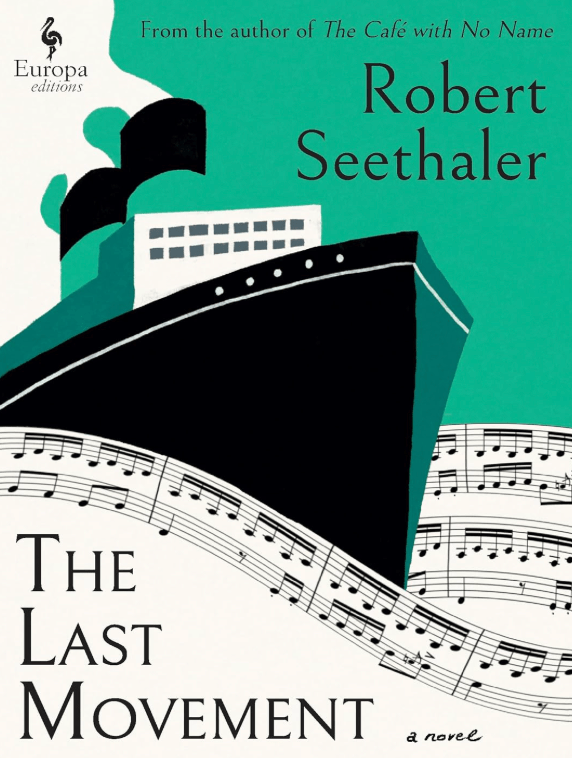
The Last Movement by Robert Seethaler is a beautifully crafted and deeply introspective novel that imagines the final months of composer Gustav Mahler’s life with remarkable sensitivity and grace. Translated by Charlotte Collins, this slim yet emotionally resonant work offers readers an intimate portrait of a man confronting mortality while reflecting on the triumphs, disappointments, and complexities that have shaped his existence.
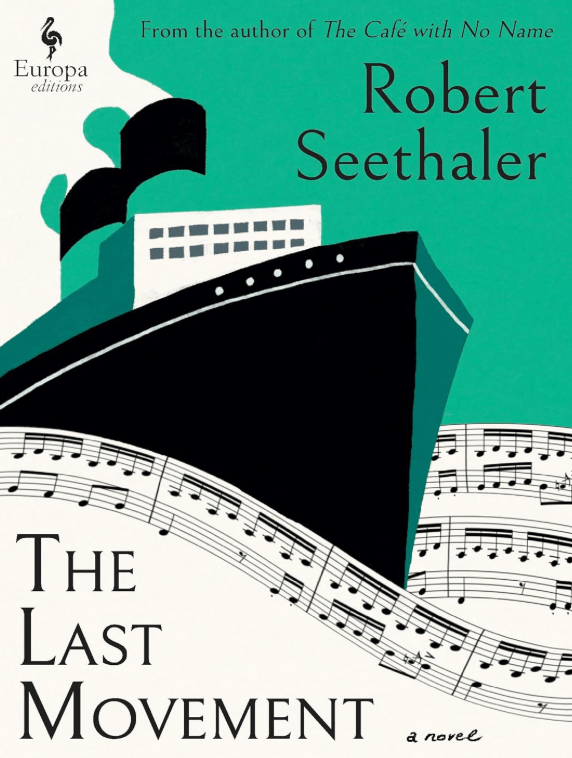
Set in 1911 as Mahler journeys across the Atlantic aboard the Amerika, the novel unfolds largely through memories and reflections. Seethaler masterfully captures the inner world of a celebrated artist whose physical strength is fading even as his mind remains consumed by music, love, and regret. The narrative moves fluidly between past and present, creating a contemplative atmosphere that mirrors the rhythms of memory itself.
Enjoying this article?
Stay connected with the Review Tales literary community and receive new articles, magazine releases, and exclusive updates.
No spam. Only literary
One of the novel’s greatest strengths is its portrayal of Mahler’s troubled relationship with his wife, Alma. Her affair with the young architect Walter Gropius casts a shadow over Mahler’s final days, adding a layer of emotional vulnerability to a man often viewed through the lens of genius. Rather than presenting him as an untouchable cultural icon, Seethaler reveals a deeply human figure capable of insecurity, longing, and heartbreak.
The prose is elegant and restrained, allowing profound emotions to emerge without sentimentality. Seethaler’s concise style gives the novel an almost musical quality, with each scene contributing to a larger meditation on art, love, and the inevitability of death. Readers familiar with Mahler’s life will appreciate the historical details, while those new to his story will find an accessible and moving introduction.
The Last Movement is a thoughtful and poignant novel that explores what remains when achievement, reputation, and ambition fade away. It is a quiet yet powerful tribute to creativity, memory, and the enduring search for meaning at the end of life.
Written by Jeyran Main
Enjoying this article?
Stay connected with the Review Tales literary community and receive new articles, magazine releases, and exclusive updates.
No spam. Only literary
Discover more from Review Tales
Subscribe to get the latest posts sent to your email.


