
Review Tales
Trusted Reviews and Author Features Since 2016
The Gift of the Quoxxel by Richard Titus (Book Review #517)

The Gift of the Quoxxel is a whimsical tale about King Norr. This children’s book is about the king wanting to get out of his island and experience life to the fullest. His life is ideal, and he pretty much has everything he wants. However, everything to him has not been experienced, and so the journey begins.
The Woman Warrior Writing by Diana Raab, PhD

The Woman Warrior by Diana Raab, PhD
Since an early age, writing has been my panacea when moving through challenging times. My passion began during my childhood when my mother gave me a Khalil Gibran journal to help me cope with the loss of my grandmother and caretaker who died in my childhood home. Since then I have used writing to help me heal. My mission is now to share my passion and teach others to do the same. Read More
Submit Early, Submit Often by Walter Rhein

Submit Early, Submit Often by Walter Rhein
Let’s face it, it’s always a buyer’s market in the writing world. As authors, we are constantly on the lookout for new publishing opportunities, but the markets we approach rarely reserve much courtesy for writers. Some publishers act like once you send them a manuscript it should be theirs until they deign to send you a rejection. That’s fine for the responsible ones that get back to you in a week or two, but for the guys who don’t acknowledge a query for six months to a year, it makes the potential of ever getting published almost impossible. To be fair, there are some publishers out there that encourage you to send out your work early and often, but those are the exception rather than the rule.
The real reason why you fall in love by Jeyran Main

The real reason why you fall in love by Jeyran Main
Do you love your partner? The answer is most likely, yes. My response in return is, prove it.
The Starfarer (The Araloka Chronicles Book 2) by Petra Landon (Book Review #516)
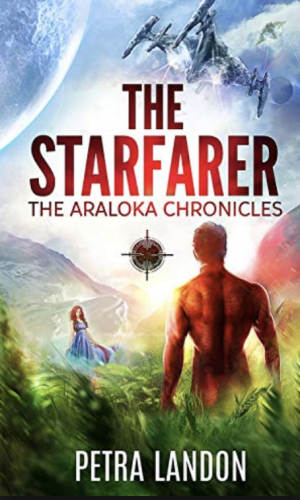
The Starfarer is the second book of the Araloka Chronicles. This science fiction story follows book one where Sila and Zh’hir continue and grow to become closer. The reader gets to learn and see Zh’hir more in action saving Sila and her planet, as well as everything else that places the characters into place. Read More
Constance: One Road to Take: The Life and Photography of Constance Stuart Larrabee (1914–2000) by Peter Elliott (Book Review #515)
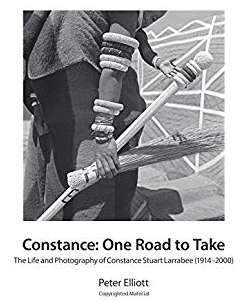
Constance is not so much of a biography but an attempt to display Constance Stuart Larrabee’s life into perspective using her photography. The attempt is to gain more of an understanding of her work and allowing the reader into her personal life, past and present.
SUDDENLY SINGLE SYLVIA adapted to the screen!
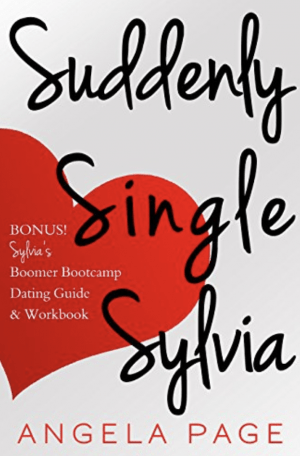
 SUDDENLY SINGLE SYLVIA adapted to the screen!
It was actually a TV pilot script before it was a novella and dating guide. One year after the release of the paperback and kindle, “Suddenly Single Sylvia” on Amazon, we were on set with talented actors and crew shooting a ten-minute segment of scenes from the book. Read More
Mad Mischief by Susan St. John (Book Review #514)

Mad Mischief is a literary fiction about Sarah traveling to Africa with her husband. Her relationship has many issues, and with the trip being a stressful one, it did not get any better. While you genuinely get to feel that you have gone to Africa and have experienced this beautiful country, the descriptive writing allows you to also sense the tension and problems this trip faced.
Title 2 by Keith Julius

My last article dealt with titles, and how important they are to lure the reader into a story. Titles should be evocative, inspiring questions and wonder, yet at the same time, they should also tell the reader something about the book. I have tried to follow this line of reasoning with my series “The CASA Chronicles.” Read More


 Review Tales